Getting the right funding can be the difference between a business that grows and one that stays stuck. Whether you need capital to hire your first employee, stock up on inventory, or expand into a new market, a small business loan gives you the financial leverage to make it happen. The challenge is that the loan process can feel overwhelming, especially if you have never applied before.
Get matched with the right lender for your business – explore M1’s AI-powered loan matching.
This guide breaks the entire process into seven clear steps, from figuring out what you need to signing on the dotted line. By the time you finish reading, you will know exactly how to get a small business loan, what lenders look for, and how to give yourself the best shot at approval.
Quick Answer: To get a small business loan, you need to determine your funding purpose and amount, check your credit scores, choose the right loan type, gather financial documentation, select the best lender for your profile, submit a complete application, and carefully review the offer before signing.
- Most lenders require a credit score of 620+ (680+ for the best rates)
- SBA loans offer the lowest rates but take 30-90 days to process
- Online lenders can fund in as little as 1-7 business days
- Key documents include tax returns, bank statements, a business plan, and P&L statements
- Applying to 2-3 lenders within 14 days counts as a single credit inquiry
Step 1: Determine Why You Need Funding and How Much
Before you fill out a single application, get specific about why you need the money and exactly how much you need. Lenders will ask, and a vague answer is one of the fastest ways to get rejected. “I need money to grow” does not cut it. “I need $75,000 to purchase equipment that will increase production capacity by 40%” shows a business owner who has done the math.
Start by listing every expense the loan will cover. Add a 10-15% buffer for unexpected costs, but do not inflate the number just because you can. Borrowing more than you need means paying interest on money sitting in your account doing nothing.
Common reasons business owners seek loans include:
- Working capital to cover payroll, rent, or supplies during slow periods
- Equipment purchases like machinery, vehicles, or technology
- Inventory to stock up ahead of a busy season or a large order
- Expansion into a new location, market, or product line
- Marketing and advertising to reach new customers
- Debt consolidation to simplify existing obligations and lower rates
Matching your purpose to the right loan type matters more than most guides tell you. A business line of credit works better for ongoing cash flow needs, while equipment financing is designed specifically for asset purchases. For a full breakdown of your choices, check out our guide to small business loan options.
Step 2: Check Your Credit Scores
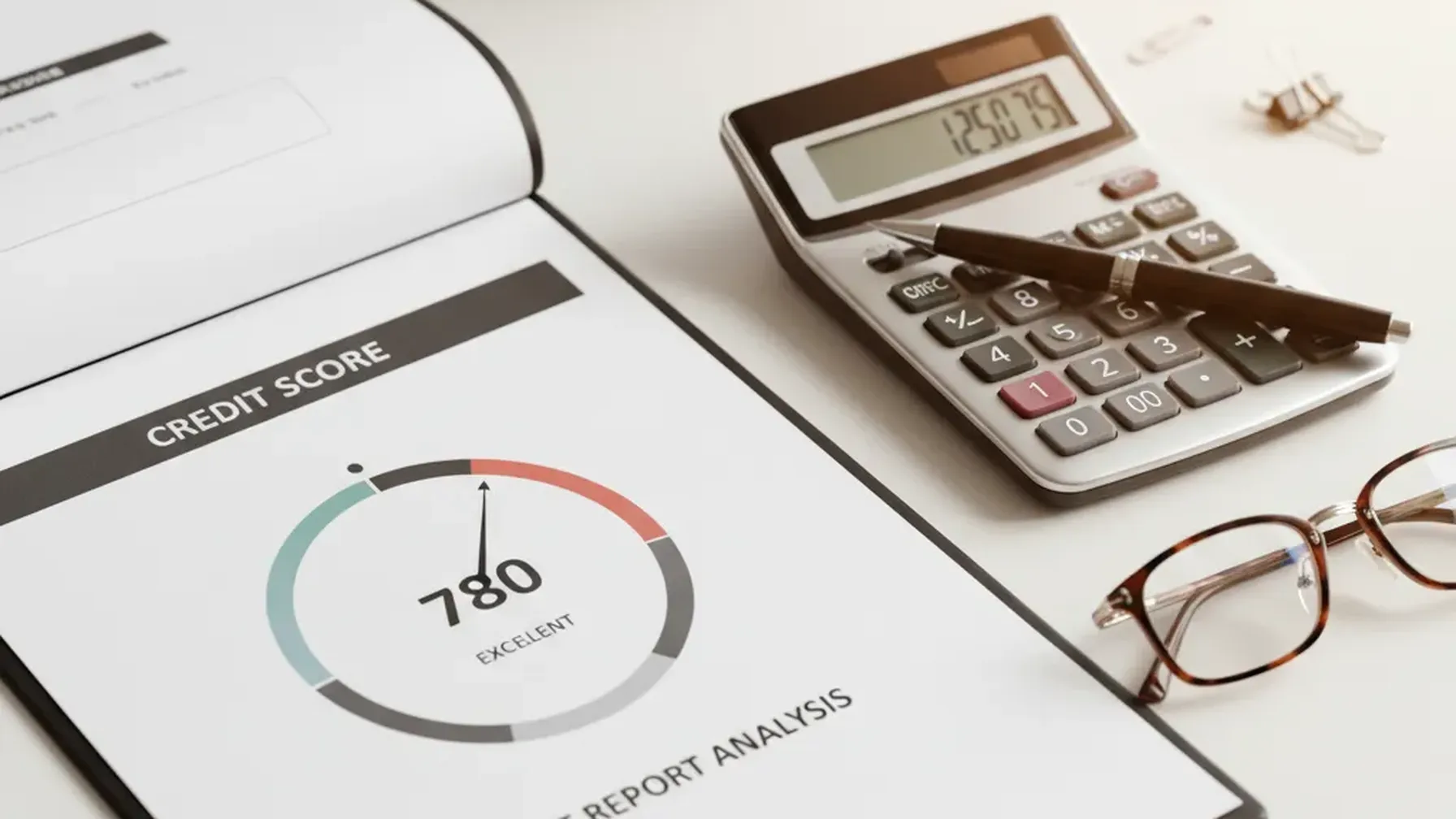
Your credit score is one of the first things any lender will review, and it directly impacts the interest rates and terms you qualify for. Both your personal credit score and your business credit score matter, though lenders weigh them differently depending on the loan type and how long your company has been operating.
Here is a general breakdown of what lenders expect:
| Credit Score Range | What You Qualify For |
|---|---|
| 750+ | Best rates from banks and SBA lenders |
| 700-749 | Strong options including most SBA 7(a) loans |
| 680-699 | Some SBA products, many online lenders |
| 620-679 | Online lenders, microloans, equipment financing |
| Below 620 | Merchant cash advances, revenue-based lending, microloans |
Pull your personal credit report from all three bureaus and review it for errors. Inaccurate late payments, incorrect balances, or accounts that do not belong to you can drag your score down unfairly. If you spot issues, addressing them before you apply can make a measurable difference in the terms you receive. M1 Credit Solutions offers AI-powered credit repair tools that identify negative items on your report and generate customized dispute letters to help you clean things up quickly.
If your business credit profile is thin or nonexistent, start building business credit now. Even a few months of positive trade lines can improve your lending options significantly.
Step 3: Understand the Types of Small Business Loans
Not all small business loans work the same way. Choosing the wrong type can mean paying higher interest, dealing with inflexible terms, or missing out on better options entirely. Here are the main categories you should know:
SBA Loans
The U.S. Small Business Administration does not lend money directly. Instead, it guarantees a portion of loans issued through approved lenders, which reduces the lender’s risk and typically results in lower interest rates and longer repayment terms for you. The popular SBA 7(a) program offers loans up to $5 million with terms as long as 25 years. The tradeoff is a longer application process, often 30 to 90 days, and stricter eligibility requirements. If you are interested in government-backed options, our USDA business loans guide covers another program worth exploring.
Term Loans
You receive a lump sum upfront and repay it in fixed monthly installments over a set period. Term loans are straightforward and work well for one-time, planned investments like expanding a location or launching a new product line.
Business Lines of Credit
A line of credit gives you access to a pool of funds you can draw from as needed. You only pay interest on what you use, making it ideal for managing cash flow gaps or handling unpredictable expenses. Learn more in our complete business line of credit guide.
Equipment Financing
These loans are specifically designed for purchasing business equipment. The equipment itself serves as collateral, which can make qualification easier. See our equipment financing guide for a full breakdown.
Microloans
Smaller loans, typically up to $50,000, offered through nonprofit organizations and community lenders. These are designed for startups and newer businesses that may not qualify for traditional bank loans.
Working Capital Loans
Short-term financing to cover daily operations. If you need funds to bridge a gap between payables and receivables, explore our guide to the best working capital loans available.
For a deeper comparison of all these options, read our full guide on small business loans.
Step 4: Gather Your Documentation
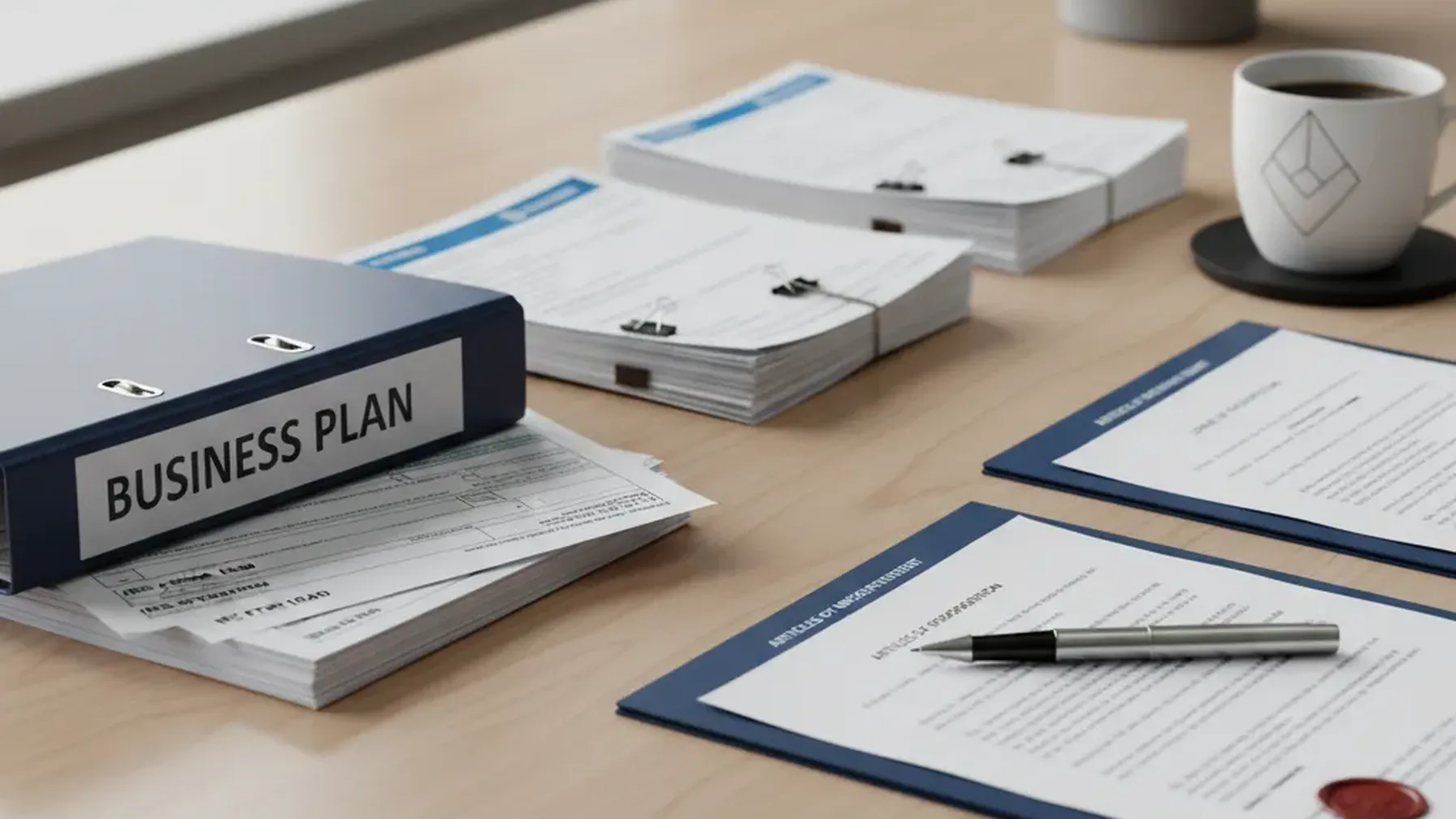
A complete, well-organized application tells lenders you are serious and reduces the back-and-forth that slows down funding. Start pulling together these documents before you approach any lender:
Documents Every Lender Will Request
- Business plan with financial projections (minimum 3 years)
- Personal and business tax returns from the past 2-3 years
- Bank statements from the last 3-6 months
- Profit and loss (P&L) statement
- Balance sheet
- Business licenses and legal documents (articles of incorporation, operating agreements)
- Government-issued photo ID
- Employer Identification Number (EIN)
Additional Documents Some Lenders Require
- Collateral documentation (property deeds, equipment lists with valuations)
- Accounts receivable and payable aging reports
- Personal financial statement
- Resume or CV highlighting relevant industry experience
- Existing debt schedule listing current loans and obligations
Online lenders typically require less paperwork than traditional banks, but having everything ready regardless puts you in the strongest position. Create a digital folder with clearly labeled files so you can submit quickly when the time comes.
Strengthen your loan application – repair your credit with M1 Credit Solutions’ AI-powered platform.
Step 5: Research and Choose Your Lender
Where you apply matters as much as what you apply for. Different lenders have different credit thresholds, industry preferences, speed of funding, and rate structures. Applying to the wrong lender is one of the most common reasons applications get denied.
Traditional Banks
Banks offer the lowest interest rates, typically ranging from 6-13% for qualified borrowers. The bar is high: expect to need a credit score above 680, at least two years in business, and strong financials. Processing takes 2-8 weeks, but the savings on interest can be substantial over the life of the loan.
Credit Unions
Member-owned institutions that often offer competitive rates with a more personal touch. They tend to be more flexible than big banks, especially for local businesses. You will need to become a member, which usually requires meeting residency or employment criteria.
Online Lenders
Faster approval times (sometimes within 24 hours) and more flexible credit requirements make online lenders popular for businesses that need quick access to capital. Interest rates are generally higher than banks, but the speed and accessibility make them the right choice in many situations. M1 Credit Solutions connects small business owners with a network of lenders through our AI-powered loan matching service, helping you find the best fit without submitting dozens of separate applications.
SBA-Approved Lenders
If you are pursuing an SBA loan, you need to apply through an SBA-approved lender. The SBA’s Lender Match tool can help you find one, or you can work with a preferred SBA lender for a potentially faster process.
Community Development Financial Institutions (CDFIs)
Nonprofit lenders focused on serving underserved communities and businesses. CDFIs often have more flexible requirements and can be a strong option for startups or businesses with limited credit history.
Pro tip: Apply to 2-3 lenders simultaneously. Multiple loan inquiries within a 14-day window typically count as a single hard pull on your credit report, so comparison shopping does not hurt your score.
Step 6: Submit Your Application and Respond Quickly
With your documents organized and your lender selected, it is time to submit. Most applications, whether online or in-person, will ask for the same core information:
- Legal business name and structure (LLC, corporation, sole proprietorship)
- Employer Identification Number (EIN)
- Years in operation
- Annual revenue
- Requested loan amount
- Intended use of funds
Double-check every field before hitting submit. Small errors like a mismatched business name or an outdated revenue figure can trigger delays or even an automatic rejection.
After submission, the most important thing you can do is respond to lender requests quickly. If they ask for additional documentation or clarification, turn it around within 24 hours. Slow responses signal disorganization and can cause a lender to deprioritize your application or flag it as higher risk.
What to Expect by Lender Type
| Lender Type | Typical Decision Time | Funding Timeline |
|---|---|---|
| Online lenders | 24-72 hours | 1-7 days |
| Banks | 2-4 weeks | 2-8 weeks |
| SBA loans | 2-12 weeks | 30-90 days |
| Credit unions | 1-3 weeks | 2-6 weeks |
| Microloans | 1-4 weeks | 2-8 weeks |
Step 7: Review Your Offer and Close the Deal
When a lender approves your application, they will send a loan offer with specific terms. Do not sign immediately. Review every detail carefully:
- Interest rate and APR: The APR includes fees, giving you the true cost of borrowing. Compare this across all offers.
- Repayment term: Longer terms mean lower monthly payments but more interest paid overall.
- Monthly payment amount: Make sure this fits comfortably within your cash flow. A general rule is that loan payments should not exceed 25-30% of your monthly revenue.
- Fees: Look for origination fees, prepayment penalties, and late payment charges.
- Collateral requirements: Understand what assets are at risk if you default.
- Personal guarantee: Most small business loans require one, meaning you are personally liable if the business cannot repay.
If you received offers from multiple lenders, compare them side by side. The lowest interest rate is not always the best deal when fees and terms are factored in. Once you are satisfied, sign the agreement, and funds will typically be deposited into your business bank account within a few business days.
What to Do If Your Application Is Denied
Rejection is not the end of the road. According to Federal Reserve data, nearly half of small business loan applications do not receive the full amount requested. If you are denied, here is your action plan:
- Ask the lender why. Most lenders will tell you the specific reason, whether it is credit score, time in business, revenue, or debt load.
- Fix what you can. If credit is the issue, use M1 Credit Solutions to identify and dispute inaccurate items on your report. Many borrowers see meaningful score improvements within 60-90 days.
- Try a different lender type. A bank rejection does not mean an online lender will say no. Different lenders serve different risk profiles.
- Consider alternative funding. If you have a newer business, explore startup business loans or look into options for bad credit startup financing.
- Build your profile and reapply. Focus on building your business credit, increasing revenue, and reducing existing debt. Then reapply in 3-6 months.
Tips to Increase Your Chances of Approval
- Separate your business and personal finances. Open a dedicated business bank account if you have not already.
- Reduce existing debt. Lenders calculate your debt service coverage ratio (DSCR). A ratio of 1.25 or higher, meaning you earn $1.25 for every $1.00 in debt payments, is what most lenders want to see.
- Start building credit early. Do not wait until you need a loan to establish a credit history. Build your business credit by opening vendor accounts and business credit cards that report to bureaus.
- Keep your financial records current. Updated books and clean records show lenders you run a disciplined operation.
- Write a specific, realistic business plan. Show exactly how the loan will generate enough revenue to cover repayment.
- Do not apply everywhere at once. Be strategic about where you apply. Each application outside the 14-day window counts as a separate hard pull.
Ready to get funded? Sign up for M1 Credit Solutions and start building your path to approval.
Frequently Asked Questions
How hard is it to get a small business loan?
It depends on your credit score, time in business, and revenue. Established businesses with credit scores above 680 and at least two years of operating history generally have a straightforward path through traditional lenders or SBA programs. Newer businesses or those with lower credit scores have fewer options from banks but can often qualify through online lenders, microloans, or community development financial institutions. Preparing a strong application with complete documentation significantly improves your chances regardless of your situation.
Can I get a small business loan with bad credit?
Yes, but your options will be more limited and interest rates will be higher. Online lenders, merchant cash advances, and microloans tend to have more flexible credit requirements. See our complete guide to business loans for bad credit for a full breakdown of options. Some lenders focus on revenue rather than credit score. The most effective long-term strategy is to improve your credit before applying. M1 Credit Solutions’ AI-powered platform can help you identify and dispute inaccurate items on your credit report, potentially raising your score enough to unlock better loan terms.
How long does it take to get a small business loan?
Timelines vary significantly by lender type. Online lenders can approve and fund within 1-7 business days. Traditional banks typically take 2-8 weeks. SBA loans are the slowest, often taking 30-90 days from application to funding. If speed is your top priority, online lenders and merchant cash advances are your fastest options.
What is the minimum credit score for a small business loan?
There is no universal minimum. Banks and SBA lenders generally want scores of 680 or higher. Online lenders may approve scores as low as 550-600. Microloans and CDFIs sometimes work with even lower scores, especially for businesses in underserved communities. The higher your score, the better your rates and terms will be.
Do I need collateral to get a small business loan?
Not always. Many online lenders, microloans, and SBA microloans are unsecured. However, larger loans from banks and SBA 7(a) loans over $500,000 typically require collateral. Offering collateral, even when it is not required, can sometimes help you secure a lower interest rate because it reduces the lender’s risk.
How much can I borrow with a small business loan?
Loan amounts range from $500 (microloans) to $5 million or more (SBA 7(a) and bank term loans). The amount you qualify for depends on your revenue, credit score, time in business, and the type of loan. Most lenders want to see that you can comfortably handle the monthly payments based on your current cash flow.