
One in five people has at least one mistake on their credit report that hurts their score. These errors make loans and credit cards more expensive for honest people every single day. Taking control of your reports now can save you thousands of dollars. Schedule a free credit consultation with M1 Credit Solutions today to start cleaning up your credit files across all three bureaus.
Learning how to dispute credit report errors all three bureaus at once is the smartest way to fix your money life and improve your credit score. You must start by getting your free credit reports from Equifax, Experian, and TransUnion through AnnualCreditReport.com to find any credit report errors to dispute first. You should send a clear dispute letter and extra proof like bank records to each bureau because they do not share files with each other. As the Consumer Financial Protection Bureau says, firms must check your claim within 30 to 45 days. This simultaneous approach helps you fix every mistake at once and ensures your credit score reflects your true history and your hard work.
Many people wonder if they can just fix one report and wait for the others to update on their own. However, knowing how the system works and why disputing all three bureaus at once saves months will help you reach your money goals much faster.
How To Dispute Credit Report Errors All Three Bureaus: Why Disputing All Three Bureaus at Once Saves Months
Most people start by fixing one error on one report. But each credit bureau may have different information in your credit file. If you wait to see one result before starting the next, you could waste a lot of time. A better way is to dispute errors across bureaus at the same time.
Collapse the timeline
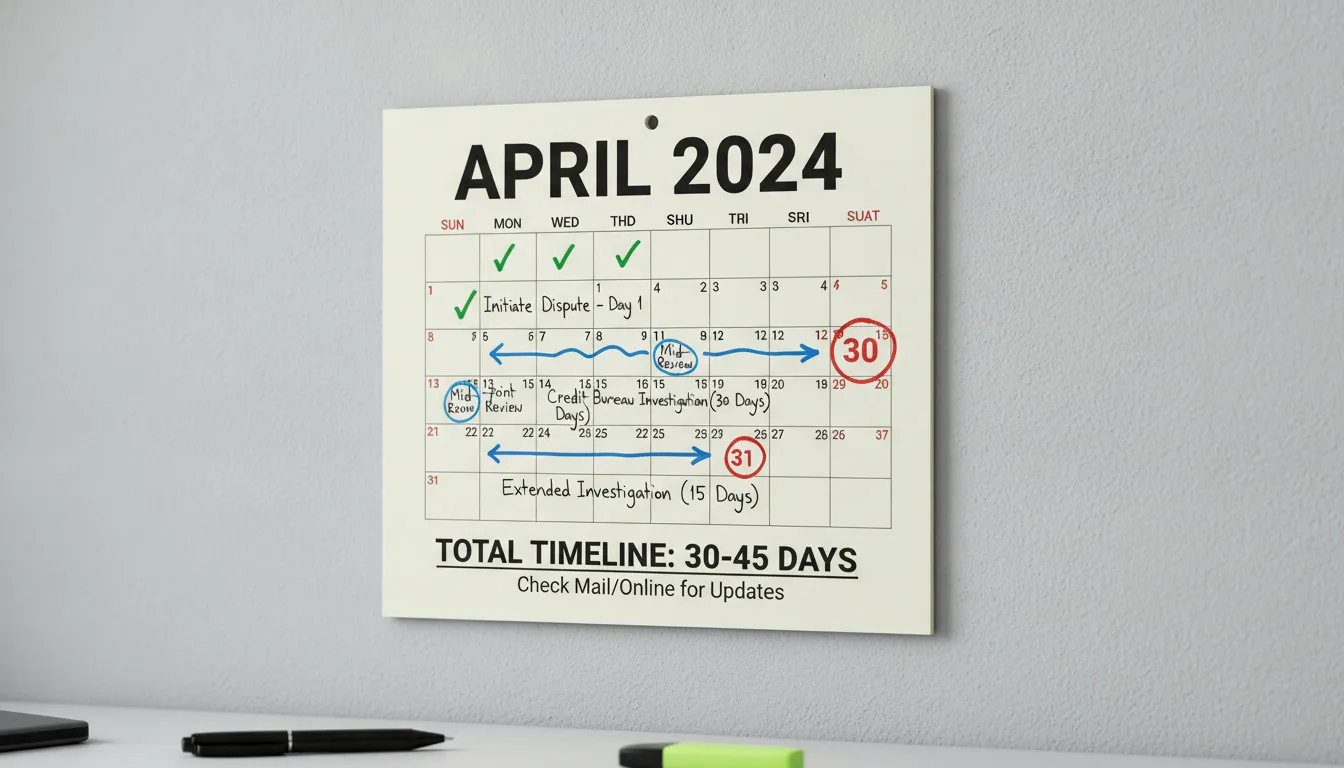
Credit bureaus usually have 30 to 45 days to check a claim. If you stagger your disputes, you add those weeks together. By filing all three in one week, you start all the clocks at once. This means you could see a full score update in about a month instead of waiting all year. You can request all three reports at once to find every mistake fast.
Catch shared errors early
Many lenders send data to all three major bureaus. An error from one bank often shows up on Equifax, Experian, and TransUnion. You must initiate a dispute with each bureau on its own because they do not share their files. Fixing it at only one bureau leaves your other scores low. A batch plan ensures you stop the same error from hurting you in three places.
Simplify your tracking
Managing three dates and three sets of mail is easier when you do it all at once. You will not have to remember if you sent the Equifax letter two weeks or two months ago. You can track all your results on the same cycle. This method gives you a clear path to better credit without the stress of a long, slow process.
Step 1: Get Your Free Credit Reports from All Three Bureaus
To fix your credit, you must first see what the bureaus say about you. Each bureau keeps its own file, and the info in one report might not match the others. You need to check all three to find every error. This is the only way to know exactly how your credit score might be affected across all three bureaus. This data helps you get better loan terms.
Use the Official Federal Source
Federal law gives you the right to see your credit info for free. You can get a free copy of your credit report once every 12 months from each of the three main bureaus. The only site to do this is AnnualCreditReport.com. Do not be fooled by other sites that ask for your credit card or charge a fee. This is a free service from the government and the bureaus. This ensures you get the same data banks use.
If you have trouble with the website, you can also order your reports by mail or by phone. The site provides a form you can print and send to a central office. It takes more time but works if you fail the online checks. No matter which way you choose, you should never have to pay to see your basic credit file from these three companies.
Decide on Your Staggering Plan
You can choose how you want to get your reports. Some people get all three at once to find errors and fix them fast. Others get one report every four months to watch their credit all year. If you want to fix your score now, getting all three reports at once is the best move. This lets you spot patterns and see if the same error shows up in many places. It also saves you time when you start the dispute process.
Keep in mind that Equifax now gives you six free credit reports each year until 2026 as part of a legal deal. This extra access helps you track changes as you work to check credit report for free and fix errors. This helps you see if an old error was removed without waiting a full year. It gives you a clear path to monitor your progress.
Steps to Get Your Free Reports
- Go to AnnualCreditReport.com and click the button to request your free reports.
- Fill out the form with your name, birth date, and social security number.
- Pick the bureaus you want to see (Experian, Equifax, and TransUnion) and submit.
- Answer the security questions to prove who you are to each bureau.
- Save each report as a PDF file so you have a digital copy for your records.
- Review each page carefully to ensure all the account info belongs to you.
Step 2: Identify Disputable Errors on Each Report
Once you have your files from all three bureaus, you must look at them with a close eye. A study from the Federal Trade Commission shows that one in five people have an error on at least one credit report. These mistakes can lower your score and make it hard to get a loan. You should check every line to find items that do not belong to you or seem wrong.
Personal information and identity errors
Start with the basics. Look for incorrect personal details like a wrong name, old address, or a phone number you never had. Also check for a Social Security number that does not match yours. These small slips can lead to mixed files. A mixed file happens when the bureau puts someone else’s data on your report because you share a similar name or number. Finding these early helps stop identity theft and keeps your file clean.
Inaccurate account status and balances
Next, look at your active and closed accounts. You might find a wrong balance or an incorrect payment status. For example, a report might show you were late on a bill that you paid on time. You should also watch for duplicate accounts. This is when the same debt shows up more than once under different names. These errors make it look like you owe more than you do. Use a priority list for credit errors to decide which ones to fix first to see the best score gains.
Fraudulent accounts and theft
Identity theft is a big cause of report errors. Look for accounts you did not open or credit cards you never applied for. If you see a name or address you do not know, it could mean someone is using your info. These fraudulent items can wreck your credit fast. You must mark these for a dispute right away. Catching these early can save you a lot of money and stress in the long run.
Outdated negative information
Most negative items must come off your report after seven years. This includes old collections, late payments, and Chapter 13 bankruptcies. Chapter 7 bankruptcies can stay for ten years. If you see an old debt that is past the seven-year limit, it is an error. These old marks should not be there to pull your score down. Check the date of first delinquency to see if the item is too old to stay on your file.
Step 3: Gather Your Supporting Documentation
Before you learn how to dispute credit report errors all three bureaus, you must gather your proof. You cannot just tell the bureaus that a mistake exists. You must show them. If you provide clear proof, the bureaus can fix the errors much faster.
Identity and contact details
The first step is to prove who you are. The bureaus must know they are talking to the right person. You should include your full name, home address, and phone number in your file. This basic contact info ensures the bureau can reach you with their results.
You will also need copies of papers to verify who you are. You should gather the following items:
- A government-issued ID like a driver’s license.
- Your Social Security card.
- A recent utility bill to prove your home address.
Proof of the error
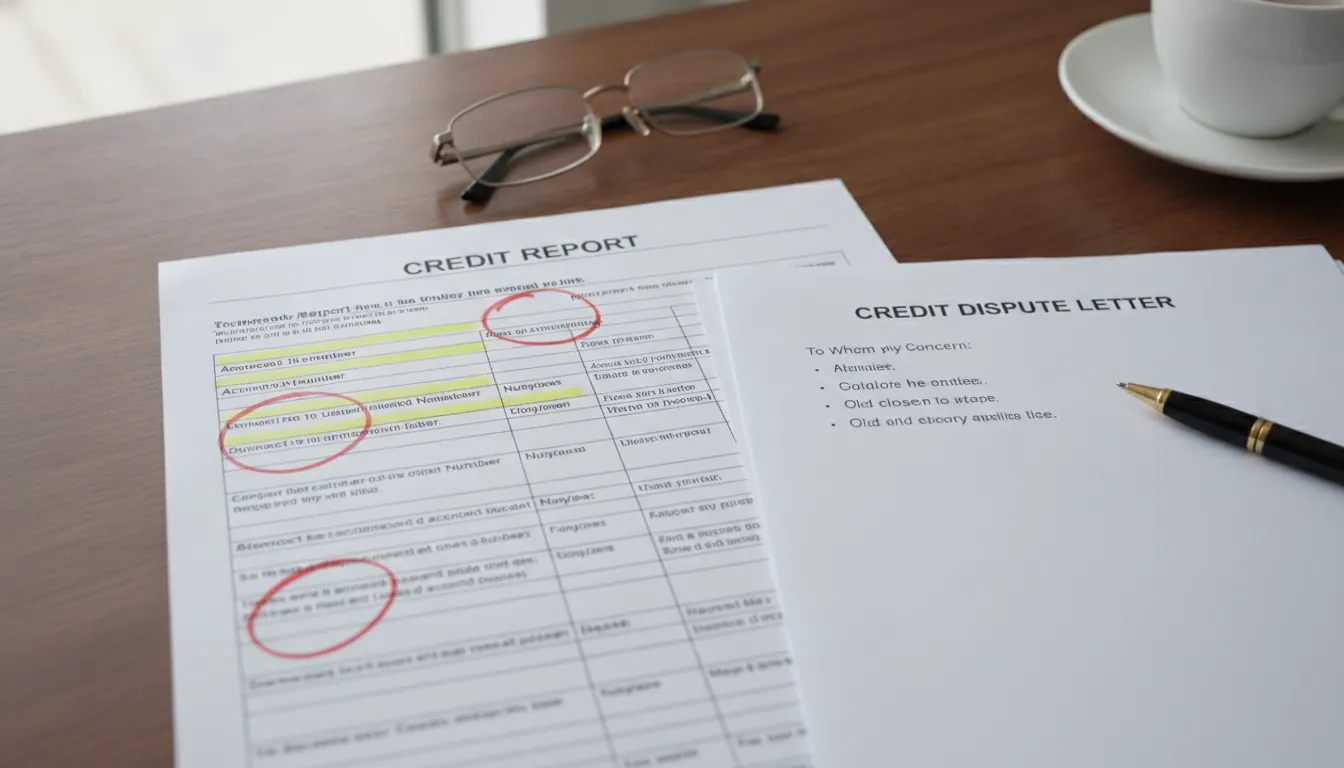
Next, you need to show the bureaus exactly where they went wrong. You should take a copy of the credit report that has the mistake. Use a pen or marker to circle or highlight the portion with the error. This makes it easy for the bureau to find the problem.
You also need papers that show the data is wrong. If a debt is not yours, show a bank statement or a payment record. If a legal issue was settled, include court documents. These effective dispute letters work best when they have strong proof attached.
Writing the note and record-keeping
You must explain in writing what you think is wrong and why. Be clear and direct. Do not use complex words. Just state the facts and refer to your attached proof. If you are brief and honest, you help the bureau do its job.
Finally, always keep copies of everything you send. Save your letters and all your proof papers. If you send your mail, keep the receipt as well. Good records will protect you if you need to follow up later. This is a key part of the process when you look for how to dispute credit report errors and win.
Step 4: Write Effective Dispute Letters Online vs. Certified Mail
You have the right to dispute errors on your credit report for free. To fix mistakes at all three bureaus, you must choose to file online or send a physical letter. Both ways aim to fix your score, but they offer different levels of control and speed for your DIY credit repair path.
Online disputes versus certified mail
Filing a dispute online is the fastest way to start. Most bureaus let you upload files and track your case in their portal. But online tools can be limited. They often force you to pick from a list of reasons rather than letting you tell the full story. If you need to dispute errors across bureaus that involve complex fraud, a physical letter is usually better.
Sending a letter by certified mail with a return receipt is a smart move. This gives you a paper trail that proves when the bureau got your note. This record is key if you ever need to show that a bureau failed to meet its legal due date. This way also lets you add more facts and specific law links, such as those in a 609 dispute letter.
| Feature | Online Dispute | Certified Mail |
|---|---|---|
| Speed | Instant | 3 to 5 days |
| Paper Trail | Digital only | Legal proof |
| Detail Level | Limited options | Full space for facts |
| Best For | Simple errors | Complex issues |
How to write a letter that works
A good dispute letter should be clear and short. State your full name, home address, and the item you want to fix. Tell why the data is wrong and what you want the bureau to do. You should always add copies of your proof, like a bill for home address fixes or a bank record for pay errors. Never send your only copy of a file; keep the original for your own records.
If writing these letters feels hard, tech can help. M1 Credit Solutions uses AI to build dispute letters for just $29.99 a month. This tool helps you create a credit dispute letter that meets bureau rules without the stress of writing it yourself. Using a smart tool means you do not miss key details that could lead to a quick rejection by bureau staff.
How Do You Dispute with Each Bureau Individually?
Each bureau on its own
You must file a dispute with each credit bureau one by one. The three main bureaus are Equifax, Experian, and TransUnion. They do not share data when you find a mistake. This means a single error at one bank could show up on all three reports. To fix it for good, you must dispute errors across bureaus one by one. Each bureau keeps its own file on your past credit. They use many sources and update their data at other times. If you only fix a mistake with one bureau, your score might stay low on the other two.
Experts suggest you dispute errors with both the credit bureau and the company that gave them the wrong data. When you find a mistake, you should act fast. Errors in your personal data can lower your score. This can make it hard to get a loan or a new credit card. Some errors even lead to higher interest rates that cost you more money over time.

Portals for fast results
Most people use online portals because they are fast and easy to use. You can upload proof and get an answer in a few weeks. Each portal lets you track your claim from start to finish. The bureaus must look into your claim and tell you what they find. They usually have 30 to 45 days to end this work. Using a portal often cuts down on the time it takes to send letters through the mail.
The table below shows the contact info for all three bureaus. You can use these links to start your claim now.
| Bureau | Online Portal | Phone Number | Mailing Address |
|---|---|---|---|
| Equifax | equifax.com/personal/contact-us | 866-349-5191 | Visit Portal |
| Experian | experian.com/disputes | 888-397-3742 | Visit Portal |
| TransUnion | transunion.com/credit-disputes | 800-916-8800 | Visit Portal |
Mail for complex errors
While portals are fast, some errors are hard to fix online. If your name, phone number, or address is wrong, you might need to send a letter. Many experts suggest using certified mail for these cases. This gives you a paper trail and a return receipt to prove they got your letter. A paper letter also lets you send paper copies of files that might not scan well.
Mailing your dispute is a good idea if you have many papers to show. You should always keep copies of what you send. You can circle the mistakes on your credit report to make them easy to see. M1 Credit Solutions offers AI-powered dispute letters to help you. Their tool helps you write clear letters that follow the law. This can save you time and help you get better results when you dispute credit report errors by mail.
When you send a letter, include your full name, address, and phone number. If you are a small business owner, fixing your personal credit is the first step to getting business funds. Clear and simple letters that state the facts are best. Stick to the truth and show your proof clearly to the bureau team.
What Happens After You File a Dispute?
Once you send your letters, the clock starts. The credit bureaus have a legal duty to look into your claims. This part of the journey can feel slow, but knowing the rules helps you stay in control. It is a key part of how to dispute credit report errors all three bureaus at the same time.
The 30-day investigation window
By law, the credit bureau must check the facts of your dispute. In most cases, they have 30 days to finish their work. If you send more proof while they are still working, they may get an extra 15 days. This makes the total time about 45 days.
The bureau must send you the results in writing once they finish. You have a right to see what they found. If they agree there is an error, they must fix your file at no cost to you. This is why it is so helpful to dispute credit report errors with clear facts.
Role of the data furnisher
The bureau does not work alone. They must send your dispute to the company that gave them the bad data. This company is called a data furnisher. Common furnishers include banks, credit card firms, and debt collectors.
Under the law, the credit company must forward all the proof you gave them to the furnisher. The furnisher then checks their own records to see if you are right. If they find an error, they must tell the bureaus to update your report. This team effort helps ensure that your credit files are fair and right.
Possible outcomes and next steps
There are three main things that can happen after an investigation. First, the bureau might remove the item. This is the best outcome and often helps your score. Second, they might update the item with the right info. Third, they might keep it the same if the furnisher claims the data is correct.
Keep in mind that bureaus can skip an investigation if they think a dispute is frivolous. This often happens if you send the same dispute over and over without new proof. To avoid this, always include fresh evidence each time you challenge an error. This shows the bureau you are serious and that your claim has merit.
If the bureau confirms the error and removes it, request a free copy of your updated report to verify the changes took effect. You are entitled to this free report when a dispute results in a change. Reviewing it ensures the correction was applied to all the wrong accounts and that no new mistakes were introduced during the update process.
What to Do If Your Credit Bureau Dispute Is Rejected
Sometimes the bureau or the lender says the data is correct. This can be frustrating, but it is not the end of the road. You still have options to fight back when a dispute is rejected. Knowing how to handle a rejection is a key part of how to dispute credit report errors all three bureaus successfully.
File a dispute statement
If the bureau keeps the item after an investigation, you can add a short statement to your credit file. This statement explains your side of the story. It should be clear and no longer than 100 words. The bureau must include your statement in future reports. This means any lender who pulls your file will also see your explanation.
Escalate to the CFPB
If you have proof and the bureau still refuses to fix the error, you can file a complaint with the Consumer Financial Protection Bureau. The CFPB will forward your complaint to the company and work to get a response. You can file a complaint online at consumerfinance.gov/complaint. This government agency has helped millions of people resolve disputes that credit bureaus ignored.
Contact your lender directly
Sometimes the lender or bank has the wrong info. You can contact them directly and ask them to update the data they sent to the bureaus. This can be faster than going through the bureau alone. When the lender corrects their records, the bureaus must update your files as well. This two-way approach often resolves stubborn errors that survive the initial dispute process.
If you keep getting rejected, do not give up. You can learn DIY credit repair strategies that go beyond the basic dispute process. Many people find that persistence and the right documentation are what finally get errors removed from their credit history.
Frequently Asked Questions
Can I dispute errors on all three credit bureaus at the same time?
Yes, you can and should dispute errors with Equifax, Experian, and TransUnion at the same time. Each bureau maintains its own file, so you need to file a separate dispute with each one. Filing all three at once collapses the total timeline to roughly 30 days instead of 90 days if you filed them one after another.
What documents do I need to dispute a credit report error?
You need a government-issued ID, your Social Security card, a recent utility bill to prove your address, a copy of the credit report with the error circled, and proof that the information is wrong. Proof can include bank statements, payment records, or court documents that show the correct information.
How long does a credit bureau have to investigate a dispute?
Credit bureaus have 30 days to investigate your dispute under federal law. If you send additional documents during the investigation, they may get an extra 15 days for a total of 45 days. The bureau must send you the results in writing once the investigation is complete.
What happens if my credit dispute is rejected?
You can add a 100-word statement to your credit file explaining your side, file a complaint with the CFPB at consumerfinance.gov/complaint, or contact the lender directly to correct their records. Persistence and fresh evidence are key to getting stubborn errors removed from your credit history.
Is it better to dispute online or by certified mail?
Online disputes are faster for simple errors but limit how much detail you can provide. Certified mail gives you a paper trail with legal proof of delivery and lets you include more documentation. Certified mail is generally better for complex cases involving fraud, identity theft, or errors that require extensive supporting evidence.
Ready to start fixing your credit with AI-powered dispute letters?
Every error you leave on your credit report costs you money through higher interest rates, loan denials, and missed opportunities. The average person with credit errors pays thousands more over the life of a mortgage or auto loan. Taking action now with a clear plan across all three bureaus is the fastest way to protect your financial future and get the credit score you deserve.
Ready to get started? Call (833) 261-2677 to talk to a credit expert and learn how M1 Credit Solutions AI-powered dispute letters can help you remove errors from all three bureaus for just $29.99 per month.