
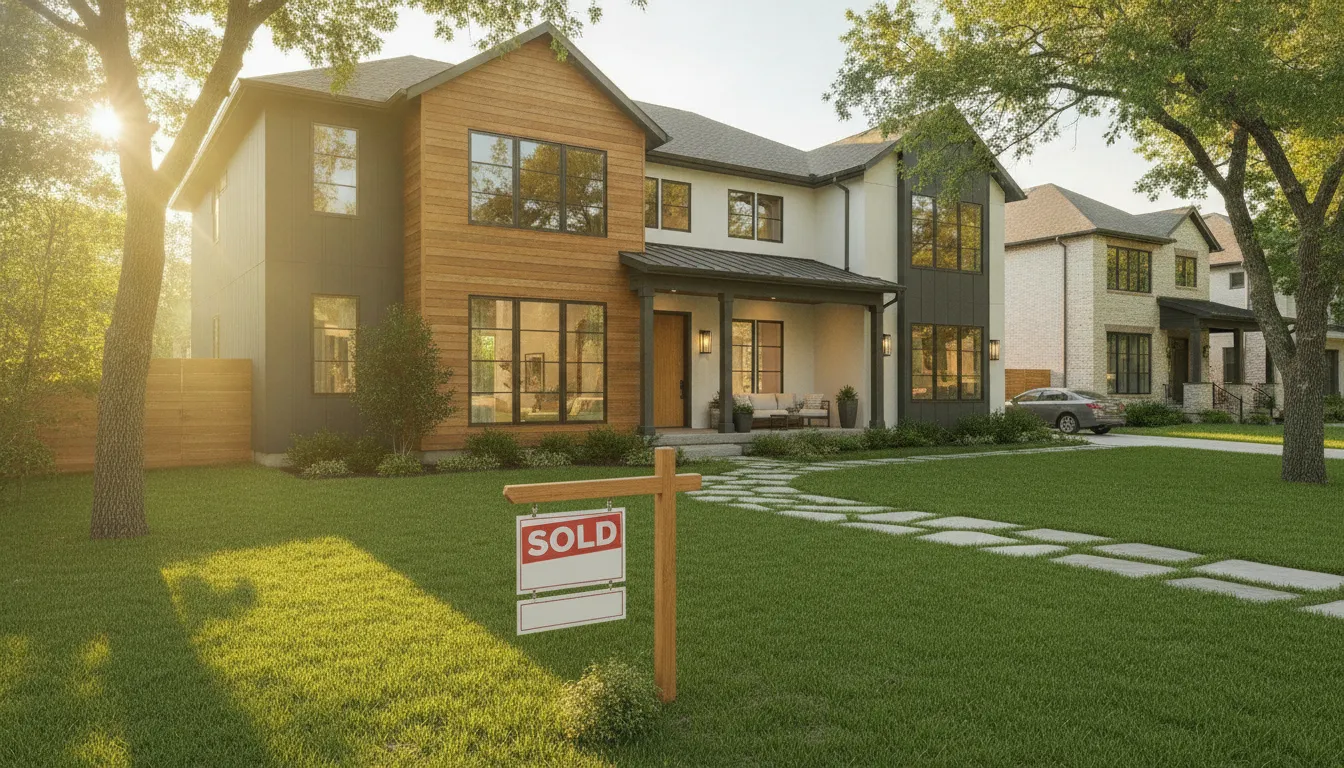
A credit score below 640 often triggers an instant bank denial. This hurdle keeps many hopeful families trapped in a cycle of paying rent to a landlord.
Ready to buy your first home? Start your M1 Credit Solutions journey today and take the first step toward FHA loan approval.
FHA loans bad credit programs provide a real path to owning a home by offering easier rules for buyers with lower scores. Backed by the federal government, these loans let you buy a house with a credit score of 580 and a 3.5 percent down payment. According to the Consumer Financial Protection Bureau, you can even qualify with a score between 500 and 579 with 10 percent down. By lowering credit hurdles, these government-backed loans help hard-working families build long-term wealth through home ownership instead of throwing money away on monthly rent. This special mortgage option helps people who want to build a stable and secure financial future for their children.
While buying a house with poor credit takes some planning, you can take control of your future starting today. You might wonder, What Credit Score Do You Need for an FHA Loan? Knowing these minimum score rules is your very first step, and the path begins with
Fha Loans Bad Credit: What Credit Score Do You Need for an FHA Loan?
Many buyers think a low credit score blocks them from owning a home. But the Federal Housing Administration (FHA) makes homeownership real for people with less-than-perfect credit. Since FHA loans offer lower credit score requirements than conventional loans, they are a main choice for many buyers.
Official credit score thresholds
The official guidelines set by the government use a two-tier system for credit scores. If your score is 580 or higher, you can qualify with a down payment of just 3.5 percent. If your credit score falls between 500 and 579, you may still get a loan, but you must put down at least 10 percent. This simple rule helps buyers secure a home even when they have a short or rocky credit history.
Lender overlays and real-world minimums
The FHA does not lend money directly to you. Instead, private lenders approve and fund the loans, which the government then backs. Because these private banks take on risk, they can set their own rules. These extra rules are called lender overlays, and they often demand a higher credit score than the official HUD limit.
For example, while the FHA floor is 500, many banks will not write loans for anyone with a score under 580 or 620. If you have a score in the 500s, you must shop around to find a lender that accepts lower limits. Knowing the minimum FHA credit score requirements can help you avoid getting turned down when you apply.
FHA flexibility vs conventional limits
FHA loans provide a much easier path than conventional loans for buyers with bad credit. Conventional home loans often need a score of at least 620, and their rates rise sharply if your credit is low. In contrast, FHA guidelines are much more forgiving. They do not punish you with high interest rates just because your score is not perfect.
Lenders also look at other parts of your financial profile if your credit score is low. They will check your debt-to-income ratio, your job history, and whether you have cash savings left after closing. Having a stable job and cash reserves can help you qualify even with bad credit. These positive points are called compensating factors, and they make a big difference when a bank reviews your loan application.
Even though you can get an FHA loan with a lower score, raising your credit first offers major benefits. A higher credit score helps you avoid the 10 percent down payment rule and lets you keep more cash in your pocket. It also makes it much easier to find a willing lender and can secure you a better interest rate. Taking a few months to clean up your credit report can save you thousands of dollars over the life of your mortgage.
FHA 203(k) Loans: Buy and Renovate with One Mortgage
Buying a house that needs work can feel like a hard task. Many home buyers look for FHA loans bad credit programs to help them buy a house that needs work. A 203(k) mortgage covers both the home purchase and repairs in one loan. It is a simple way to build your own dream home.
Limited versus standard options
A limited 203(k) loan is for small updates on a home. You can get up to $35,000 to pay for repairs, and you do not need to hire a special consultant. This option is great for minor style changes like new paint or new floors. It helps you make quick updates without a lot of extra forms.
A standard 203(k) loan is for major work. This includes structural repairs, extra rooms, or big repair jobs. Because the work is complex, you must hire an approved consultant to run the project. This guide protects your funds and ensures the construction goes well.
Credit guidelines under HUD
When you apply, federal rules guide how the underwriter checks your file. They do not just look at a single low score. Under HUD rules, your past credit performance is the main guide to find your attitude toward debt. This helps them predict how you will pay in the future.
A period of past financial trouble does not stop you from getting a loan. If you have kept a clean payment record since that hard time, you can still get the loan. The FHA wants to help you buy a home. They focus on what you do now to manage your bills.
Why overall credit patterns matter
Underwriters look at your whole credit history rather than a single late payment. If you have major issues like collections, you must write a letter to explain what happened. But minor issues from over two years ago do not need an explanation. This makes it simpler to meet the minimum FHA credit score requirements.
You can get an FHA loan with a score as low as 580 while putting down only 3.5 percent. For scores from 500 to 579, you will need a 10 percent down payment. You can read more about these rules from the Consumer Financial Protection Bureau. Working to fix your past credit issues is a smart way to prepare.
USDA and VA Loans: Other Bad-Credit Home Loan Options
Many buyers look first at FHA loans when they have less than perfect credit. If you are checking minimum FHA credit score requirements, you might think FHA is your only choice. But other government programs offer great options for home buyers. Some of these loans even beat FHA terms by offering zero down payment. If you are seeking FHA loans bad credit options, you should compare USDA and VA loans to see if they fit your needs.
USDA loans for rural homebuyers
The United States Department of Agriculture backs USDA loans. These loans help low- to moderate-income families buy safe housing in rural zones. There is no specific minimum credit score requirement for a USDA guaranteed loan. But most lenders prefer a score of at least 640. If your score is lower, the lender can still approve you with manual underwriting.
A major benefit of the USDA program is no down payment requirement for buyers. You can get 100% financing based on the appraised value of the home. To qualify, your total household income must fall within 115% of the area median income. Also, the home must be in an eligible rural area.
VA loans for military members and veterans
If you have served in the military, VA loans are a top choice. These loans are available to active-duty service members and veterans with a discharge other than dishonorable. The program offers a VA home loan guaranty to the lender. This government promise reduces lender risk and takes the place of a down payment.
Like USDA loans, VA loans do not have an official minimum credit score. Most lenders look for a score of 620, but some go lower. There is no monthly mortgage insurance to pay. Instead, buyers pay a one-time VA funding fee at closing. If you need help with your credit to qualify, the AI-driven platform from M1 Credit Solutions can help you raise your score.
Comparing USDA and VA loan benefits
Both programs offer great benefits if you qualify. They let you buy a home with no down payment, which is a big perk over FHA loans. However, each program has its own rules about who can qualify and what fees you pay.
| Feature | USDA Loans | VA Loans |
|---|---|---|
| Down Payment | 0% down payment required | 0% down payment required |
| Credit Score | No official minimum; 640+ preferred | No official minimum; 620+ preferred |
| Monthly Insurance | Guarantee fee and annual fee | No monthly mortgage insurance |
| Geographic Limits | Must be in designated rural areas | No geographic limits |
Bottom line: USDA and VA loans are great options instead of FHA loans because they offer zero down payment choices for buyers with bad credit. Finding out if you qualify for these loans can save you money on upfront and monthly costs.
Down Payment Assistance: Buy a Home with Less Savings
Many buyers think they need years of savings to buy a home. If you have a lower credit score, this goal can feel even harder to reach. But you do not have to save for a huge down payment. Borrowers can use down payment assistance plans to help cover their upfront home costs. These local plans help you buy with less cash.
You can combine these plans with FHA loans to cover your down payment. FHA rules allow you to put down as little as 3.5 percent on a home. While FHA guidelines have low minimum FHA credit score requirements, saving for upfront costs is still a challenge. Local plans give you the cash you need. This means you can buy a house even if you have bad credit and small savings.
Types of Down Payment Assistance
Down payment assistance comes in a few forms. The most common choice is a grant. Grants are gifts of money that you never have to pay back. If you get approved, the state or city simply gives you the funds at closing. This is the best way to get help because it adds no new debt to your monthly budget.
Other plans use low-interest loans instead of grants. Forgivable loans do not need monthly payments. The lender forgives the debt if you stay in the home for a set time, such as five years. If you move or sell the home early, you must pay back a part of the loan. A deferred-payment loan is another choice where you do not make monthly payments. Instead, you pay the full amount back when you sell the home or finish your main mortgage.
How to Qualify for State and Local Plans
State and local groups run these plans, so they have strict rules. Most plans have income limits based on your family size and area. If you earn too much, you cannot get help. Many plans also need you to take a free class on home buying before you get the funds. This class teaches you how to manage your mortgage, home upkeep, and budget.
If you have bad credit, saving money is often hard. High interest rates on credit cards and late fees can eat up your budget. When you pair an FHA loan with down payment assistance, you can focus on fixing your score. You can use your cash to pay down debt. This helps you qualify faster. Then you can buy your home sooner.
How to Improve Your Credit Score to Qualify for an FHA Loan
Many buyers think that improving your credit for FHA loans is too hard. This is not true. Getting ready for a home purchase is a realistic goal if you have a clear plan. You can make real progress in about three to six months.
Our DIY platform offers a simple, AI-powered tool to guide you through this process. If you need credit repair help, you do not have to pay for a costly service. Let us look at how home loan underwriters grade your profile and how you can raise your score.
Understanding HUD Underwriting Standards
Under HUD guidelines, your past credit performance is the main way lenders judge your attitude toward debt. Underwriters use your history to predict how you will act in the future. But they do not just look at a few bad marks. Instead, HUD rules state that underwriters must examine your overall pattern of credit behavior rather than single late payments.
This means a past credit struggle will not always stop you from buying a house. If you have kept a good payment record since that hard time, you can still qualify. Lenders want to see that you are back on track. Making your payments on time now shows you are a safe borrower.
Actionable Steps to Build Your Score
To prep for your FHA loan, you should start taking these steps at least 60 to 90 days before you apply. This timeline gives the credit bureaus enough time to update your file with the new data. Here is the process you can follow to boost your rating.
- Check your three credit reports for errors. Look for wrong names, old accounts, or late payments that are not yours. Disputing these errors can lead to quick score gains.
- Pay down your credit card balances. Your credit card use makes up 30% of your total score. Keeping your balances low is one of the fastest ways to raise your points.
- Make every payment on time. Timely payments show lenders that you handle debt with care. Set up auto-pay so you never miss a due date.
- Avoid opening new credit accounts. Applying for new loans or cards triggers hard checks on your file. These checks can temporarily lower your score just when you need it to be high.
- Keep your old credit accounts open. The length of your credit history counts toward your score. Keeping your oldest cards open helps keep your average account age high.
Dealing with Derogatory Marks
If you have big marks on your report like unpaid collections or judgments, do not panic. HUD rules say you must give a written note for these major events, but they do not mean a flat refusal. Also, small issues that are more than two years old usually do not need any written note at all. Focus your energy on fixing recent problems first, as those have the biggest impact on your home loan.
FHA Loan Costs for Borrowers with Bad Credit
FHA loans are a popular option if you have a lower credit score. Your score determines if you meet the minimum FHA credit score requirements. But you must look at the full cost of the loan beyond your down payment, which can add up quickly. M1 Credit Solutions can help you see these extra charges before you apply.
First, you must pay an upfront mortgage insurance premium. This fee is 1.75% of your total loan amount. Most buyers choose to finance this fee into their loan instead of paying cash at closing. This option is common, but it does increase your total loan size and monthly payment.
Upfront and annual mortgage insurance
According to the Consumer Financial Protection Bureau, you must pay mortgage insurance on all FHA loans. For most buyers, this annual fee is about 0.55% of the loan amount. The fee is split into twelve parts and added to your monthly bill. If you put down less than 10%, you must pay this fee for the life of the loan.
Closing costs and interest rates
Beyond mortgage insurance, you will also face standard closing costs. These fees often run between 3% and 6% of your loan amount. They include things like appraisal fees, lender fees, and title insurance. You must pay these costs when you sign your final loan papers.
Your credit score also plays a major role in your interest rate. Lenders assess risk based on your credit score, which can affect the rate they offer. If you have a lower score, you will likely pay a higher interest rate than a buyer with high credit. If you want to buy a home, improving your credit for FHA loans is a smart first step.
FHA versus conventional borrowing costs
It is helpful to compare these costs to a conventional loan. Conventional loans do not need upfront mortgage insurance. They also allow you to cancel your monthly mortgage insurance once you reach 20% equity in your home. But conventional loans often need a higher credit score to qualify.
Because FHA mortgage insurance lasts for the life of the loan, it can cost you much more over time. A conventional loan may seem harder to get now, but it can save you thousands of dollars in the long run. Working with M1 Credit Solutions to build your credit before you buy can make a huge difference in your total costs.
Bottom line: Borrowing with an FHA loan involves high upfront and monthly mortgage insurance costs, especially with a lower credit score. Improving your credit score first can help you get lower rates and cheaper conventional loans.
Frequently Asked Questions
How long after bankruptcy can I apply for an FHA loan?
You can often apply for an FHA loan two years after a Chapter 7 bankruptcy discharge. During this wait, you must show that you can manage your money well and pay your bills on time. According to the CFPB, this waiting period gives you time to rebuild your credit history before you buy a home.
Can I qualify for an FHA loan if I have unpaid collections?
Yes, you can still get a loan even with unpaid collection accounts on your credit report. Underwriters look at your entire credit history rather than just one bad mark. However, you must write a letter to explain why you fell behind. The HUD guidelines show that a past hardship will not stop your loan if you now pay your bills on time.
Can I get an FHA loan with no credit score?
Yes, you can qualify for an FHA loan even if you do not have a credit score. Lenders can look at other ways you pay your bills. This includes your rent, phone bills, or school payments. According to HUD rules, these other credit types can help prove you are a safe buyer who pays on time.
Does a lower credit score make FHA mortgage insurance more expensive?
No, a lower credit score does not increase the cost of your FHA mortgage insurance. With conventional loans, private mortgage insurance costs much more if your score is low. However, FHA mortgage insurance rates are the same for everyone. As noted by the CFPB, this flat rate makes FHA loans a great tool for buyers with bad credit.
Ready to Improve Your Credit Score and Buy Your Dream Home?
Waiting to repair a credit score under 640 will cost you thousands of extra dollars in higher interest fees when buying your first dream home. If you do not take action today, rising housing prices and high interest rates could put your dream of buying a home out of reach. By starting your credit plan today, you can see real results in sixty to ninety days and get ready to buy your house with confidence.
Ready to start? Get a free consultation to start improving your credit today with M1 Credit Solutions. Our DIY credit platform is only twenty-nine dollars and ninety-nine cents each month. Do not wait to build your future.