

An unfamiliar credit inquiry can become a new account before you notice it. Choosing the right barrier now matters more than reacting after damage appears.
Start your credit protection and repair plan with M1 Credit Solutions.
Credit freeze vs credit lock is a choice between stronger legal protection and the convenience of quick account controls for your file. A credit freeze blocks prospective creditors from accessing your credit file, is free at all three major bureaus, and remains your right under federal law. According to the Consumer Financial Protection Bureau, a freeze helps stop unauthorized new accounts and does not change your credit scores. A credit lock can offer quick app control, but any fees, features, and service protections depend on the provider’s terms. A fraud alert directs lenders to verify your identity, while credit monitoring alerts you to report changes without blocking new credit access.
If you are worried about identity theft or an account you did not open, the next decision should be calm and practical. Start with Credit freeze vs credit lock: the short answer, then choose the protection step that fits your situation. Here’s how.
Credit freeze vs credit lock: the short answer
The core difference
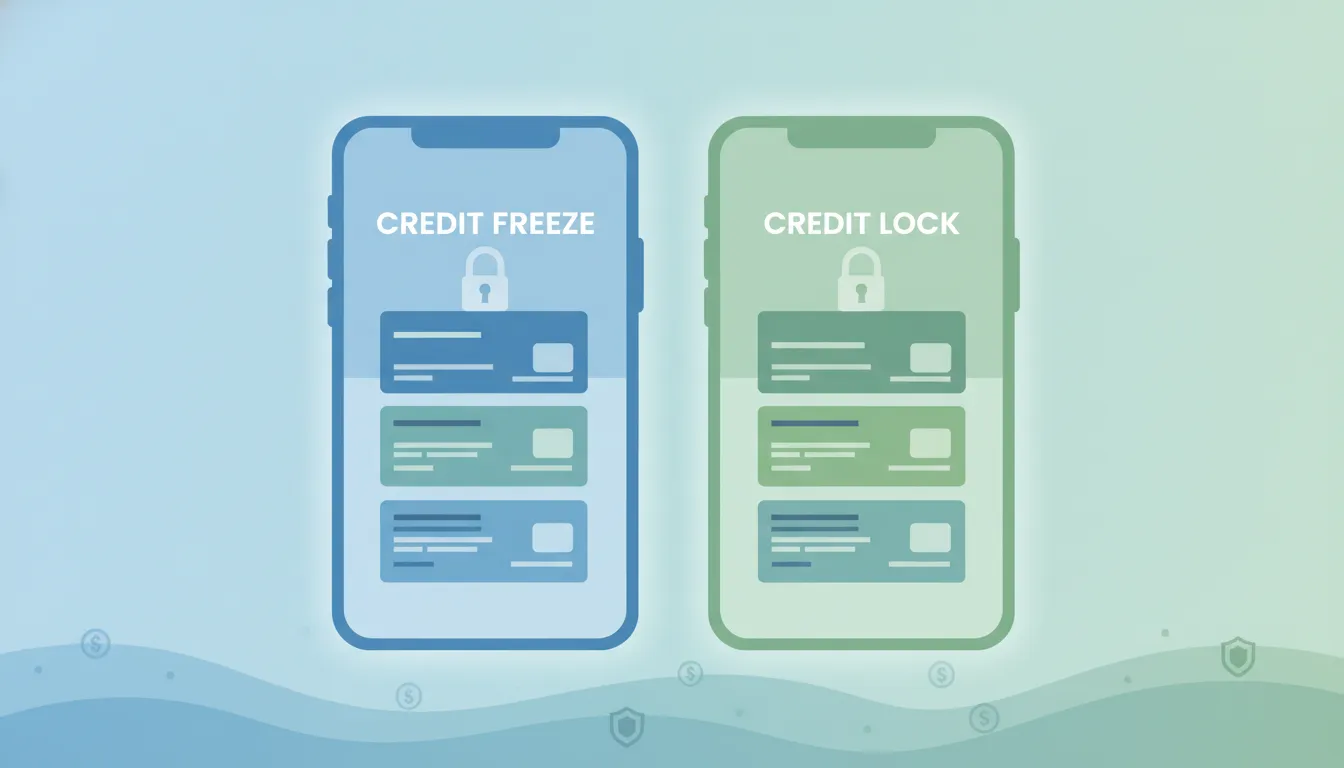
When people compare credit freeze vs credit lock, both choices aim to limit access to a credit report. The key difference is how you get that protection. A freeze is a formal security measure, while a lock is a convenience feature from a bureau or monitoring service.
For most people who want a default barrier against new-credit misuse, start with a credit freeze. The Consumer Financial Protection Bureau says a credit freeze prevents prospective creditors from accessing your credit file. That makes it harder for a thief to open a new account in your name.
When a freeze makes sense
Federal law gives you the right to place and lift a freeze at no cost. You request it with each nationwide credit bureau, since one request does not cover all three reports. Once active, the freeze stays in place until you choose to lift it.
A freeze fits when your main goal is keeping new lenders from seeing your file without your approval. It can also make sense after a data breach or whenever you want a standing safeguard. A freeze does not hurt your score or stop you from using accounts you already have.
Protection and repair solve different problems. A freeze can limit access for new applications, but it does not fix errors or rebuild payment history. If you also find inaccurate items, learn about checking your credit reports for free and which credit report errors to dispute first while reviewing repair steps.
When a lock may fit
A lock may suit someone who wants app-based control and already uses a bureau or monitoring service. The tool may be quick to switch on or off, but its features and costs depend on the provider. Read the service terms before choosing it in place of a freeze.
Neither choice is a complete shield against fraud. Existing accounts can still need close review, since a freeze focuses on access for new applications. Check statements and alerts, and act quickly if you see activity you did not approve.
If you suspect misuse, the Federal Trade Commission notes that a fraud alert can also be added. This step remains available when a freeze is in place. Choose a freeze for the no-cost federal safeguard. Choose a lock only after its convenience and terms fit your needs.
How a freeze, lock, fraud alert, and monitoring compare
A freeze blocks most new-credit access, a lock gives app-based control under provider terms, a fraud alert asks lenders to verify your identity, and monitoring tells you when report activity changes. The best choice depends on whether you need a barrier, a warning, or a repair workflow.
When people compare a credit freeze vs credit lock, they often need more than a quick definition. Each tool has a different job: blocking new credit access, adding identity checks, or warning about report changes. The right choice depends on the risk you face and whether you plan to seek credit soon.
The strongest block on new credit
Of the four choices, a freeze offers the clearest block on new-account credit access. The Consumer Financial Protection Bureau explains that a credit freeze prevents prospective creditors from accessing your credit file. It is free to place and lift at each nationwide credit bureau.
A lock may also limit access to your file, often through a bureau’s app or account tools. Its terms and cost can vary by product. A freeze, by contrast, has federal protections and stays in place until you lift it.
| Tool. | Main purpose. | Cost. | Protection level. | Blocks new accounts? | Best use case. |
|---|---|---|---|---|---|
| Credit freeze. | Restricts credit-file access. | Free to place or lift. | Strong new-credit barrier. | Generally blocks new credit access until lifted. | Preventing new-account fraud. |
| Credit lock. | Locks file through a product tool. | Varies by product. | Product-based control. | Designed to restrict access. | People who prefer app controls. |
| Fraud alert. | Prompts identity checks. | Check current bureau guidance. | Added verification step. | No. | Possible exposure or suspected theft. |
| Credit monitoring. | Reports file changes. | Review plan terms. | Warning tool. | No. | Watching for new activity. |
Alerts are not access blocks
A fraud alert tells a business to confirm your identity before it grants new credit. It does not stop a business from viewing your report. An initial alert lasts one year and may be renewed, according to the Federal Trade Commission guidance on freezes and fraud alerts.
Monitoring serves a different need. It can flag changes on a credit report, but it does not block a potential creditor from accessing that report. This makes monitoring useful for awareness, while a freeze is the direct tool for limiting new-credit access.
That difference matters if an application is submitted before you spot it. An alert adds an identity check, while monitoring warns you about a report change.
Protection and credit repair
A freeze, lock, or alert protects against certain misuse of a credit file. None of them corrects an inaccurate account, late payment, or other report error. If an item on your report is wrong, review dispute options in a guide to credit report errors to dispute first.
You can also use more than one tool when the situation calls for it. A freeze can limit new-credit access, while monitoring can help you notice changes on accounts already open. If you plan to apply for credit, you can lift a freeze when needed and restore it afterward.
How to freeze or lock credit at each bureau
You must act with Experian, Equifax, and TransUnion separately because each bureau maintains its own credit file. Create or sign in to each bureau account, confirm your identity, place the freeze or lock, and save your access details before you apply for credit again.
Before you submit requests
Freezing or locking credit is not one action across all three files. For a freeze, you must contact Equifax, Experian, and TransUnion one at a time. The Consumer Financial Protection Bureau explains this separate process and says a freeze limits new creditor access to your file.
Choose a freeze or a lock before you begin. A freeze is the free option set by federal law. A lock is a bureau tool that you manage under that provider’s terms. Either way, have your name, address history, Social Security number, birth date, and identity records ready for checks.
Bureau-by-bureau setup
Start with the official website for each bureau, not a link in an email or text. If you choose freezes, submit a request at all three bureaus. If you choose locks, check each bureau’s terms, cost, and way to turn access back on.
- Set up Equifax protection. Open Equifax’s security freeze area, or select its lock option if that meets your plan. Create your account, pass the identity check, and confirm the file is protected.
- Set up Experian protection. Use Experian’s freeze center for a freeze, or review its lock service terms before enrolling. Save the confirmation shown after the request.
- Set up TransUnion protection. Request a freeze through its service center, or choose a lock product after reviewing the terms. Confirm that protection is active on this file too.
- Store access details safely. Keep each login, PIN, password, and confirmation in a secure password manager or protected record. Label each one by bureau so you do not mix them up later.
- Use the timing that fits your need. Online or phone freeze requests must be placed within one business day. For mailed requests, follow that bureau’s current instructions and allow time before a planned application.
Create a quick record after each request. Note the bureau, request date, protection type, and any lift or unlock steps shown on screen. This record saves time when you apply for credit months later and need access to one file.
You can place a freeze online or by phone if speed matters. Under the federal security freeze timing rule, an online or phone lift must be completed within one hour. A freeze does not fix report errors, so keep credit dispute letters that work separate from freezing wrong information.
Lifting protection for an application
Plan before applying for a card, loan, apartment, job, or insurance. Ask which bureau the business expects to check. Then lift protection only for that bureau, if possible. Choose a short window that covers the review.
A planned lift reduces delays while keeping the other files protected. After the application is processed, check that the freeze or lock is active again. Keep each confirmation with your records, since it can help when you next manage your credit access.

Is it better to freeze or lock your credit?
For most consumers, a freeze is the stronger default because it is free, backed by federal rights, and stays active until you lift it. A lock can still be useful if you value quick app controls and understand the service terms.
For most people, a credit freeze is the better starting point. It is free and offers strong protection against new-account fraud. It also stays in place until you lift it. A lock may fit people who want quick app controls and accept the provider’s terms or fees.
The stronger default choice
In a credit freeze vs credit lock decision, a freeze has a clear edge for long-term protection. It blocks prospective creditors from accessing your credit file. That makes it harder for a thief to open an account in your name.
The Consumer Financial Protection Bureau says freezes are free at Equifax, Experian, and TransUnion. Lifting a freeze is free, too. A freeze does not affect your credit scores or stop use of existing credit accounts.
When a credit lock may fit
A lock may be worth considering when speed is your main concern. You may prefer controls inside a bureau app or a service bundle you already use. Before choosing one, check whether it covers one bureau or all three. Read the cost, cancellation terms, and unlock steps.
A lock is still a security tool, not a repair step. If errors are hurting your report, protect the file while you address them. Our guide to DIY credit repair explains how disputes fit into that work.
If you are applying for credit soon
Active credit shopping does not mean you must leave your report open. A freeze can be lifted for an application. You can restore it after the lender checks your file. Ask which bureau the lender will use, so you may lift only one freeze.
The Federal Trade Commission notes that people can lift a freeze for a credit application. They can also do this when renting a home or buying insurance. A lock may feel faster during several applications. Still, review its terms before relying on that convenience.
If you are not seeking new credit now, start with a freeze at all three bureaus. If you need frequent access, compare a lock’s ease of use and cost against the free freeze option.
Review your credit reports before you choose your protection step.
Common mistakes that leave your credit exposed
The most common mistake is protecting only one bureau and assuming the other two are covered. Other gaps include losing account access, forgetting to lift protection before an application, ignoring children or vulnerable adults, and treating protection as a substitute for credit report review.
Choosing between a credit freeze vs credit lock is only the first step. Once protection is active, careless gaps can still create problems. Avoid these errors so a security choice supports your broader credit plan.
Incomplete protection
A freeze with one bureau is not a freeze everywhere. The CFPB says you must contact each nationwide credit reporting company separately to place a credit freeze. Freezing one file while leaving others open can leave an opening for a new-credit attempt.
Another common mistake is treating monitoring as a barrier. Monitoring can alert you after a report changes, but it does not block a prospective creditor from accessing your file. A freeze blocks that access for new credit purposes; monitoring remains useful for watching activity.
- Place or manage protection with Equifax, Experian, and TransUnion, not just one bureau.
- Use monitoring as an alert tool, not as a replacement for a freeze.
Access and application delays
A freeze can also surprise you at the wrong time. If you plan to seek credit, rent a home, or buy insurance, arrange a temporary lift first. The FTC notes that you can lift a freeze for these needs. Then restore it when the review is complete.
Do not wait for an application deadline to find your login details. Save each bureau account method in a secure place you control. If access fails, recovery may delay a lender’s review or your response to suspicious activity.
- Check which bureau a lender plans to use before requesting a temporary lift.
- Store bureau usernames, recovery steps, and required identity details securely.
- Set a reminder to restore protection after the application window.
Missing people and existing errors
Adults are not the only people whose records need attention. A parent or guardian can freeze a child’s file to help prevent identity theft. The FTC guidance on freezes also explains how freezes differ from alerts.
For an older or vulnerable family member, do not assume protection is handled. Ask whether they need help storing access details or reviewing unknown accounts. Get permission before helping manage their records.
Finally, a freeze cannot clean up information that is already wrong. Review your reports for accounts, balances, or details you do not recognize. If inaccurate items appear, address them while identity theft dispute letters against new-account fraud.
Build a DIY credit repair plan that works with your protection strategy.
How credit freeze vs credit lock decisions fit into a credit repair plan
Credit protection limits new damage while credit repair addresses the accuracy and strength of your existing file. Use freezes, locks, alerts, and monitoring to reduce risk, then review all three reports and dispute inaccurate, outdated, or unverifiable information through a documented process.
Protection while you review your reports
A credit repair plan starts with knowing what appears in your credit files. During that review, a freeze or lock can add a guardrail against new accounts opened without your approval. In the credit freeze vs credit lock choice, protection and repair serve different jobs.
A credit freeze blocks most new creditors from accessing your file until you lift it. The Consumer Financial Protection Bureau explains credit freezes and notes that a freeze does not affect your credit score. A lock can also restrict access, but it is a bureau product with its own terms.
Either tool can help keep new credit activity from clouding your review. It does not correct a wrong balance, remove an account, or create payment history. You still need to read each report and note information that may be inaccurate.
Disputes and better credit habits
Once your file is protected, focus on entries that deserve a closer look. Check names, accounts, payment status, balances, and inquiries against your records. Save statements or payment records that may help you explain an error.
Credit repair addresses inaccurate, incomplete, or unverifiable information on credit reports. The CFPB describes this part of how credit repair works. A freeze or lock does not send disputes, remove errors, or raise a score by itself.
M1 Credit Solutions provides an AI-powered DIY credit repair platform. It helps users analyze their reports and prepare customized dispute letters. This work remains separate from choosing a freeze or lock to help protect a file during the review.
Repair also calls for steady habits after a review. Pay bills on time, keep balances under control, and watch for new report changes. Small, repeated actions can support a cleaner and more accurate credit history.
Using each layer with purpose
A freeze can make sense when blocking new credit access is the main goal. A lock may appeal to someone who wants controls offered through a bureau service. Before choosing, check the product terms and how you can turn protection off.
You may need access restored before a valid credit application can proceed. Keep the account details or access steps for the tool you choose in a secure place. This keeps protection from slowing down a credit step you planned.
Credit protection is one layer, not the repair plan itself. Monitoring can help you spot changes, while protection aims to limit new access. Your report review, disputes, and payment habits address your credit over time.
If you are ready to work through your reports, start with a clear DIY process. M1’s guide to credit repair software tools covers repair steps you can pair with a freeze or lock while reviewing possible errors.
Frequently Asked Questions
Is it better to freeze or lock your credit?
A credit freeze is usually the stronger default for preventing new-account fraud because it is free and protected by federal law. A lock may offer convenient app controls, but terms and possible fees depend on the provider. The Consumer Financial Protection Bureau says a freeze blocks prospective creditors from accessing your file. Add monitoring for alerts about activity on accounts you already have.
Can I freeze all three credit bureaus at once?
No. To protect files at Equifax, Experian, and TransUnion, request a freeze from each bureau separately. Freezing only one leaves the other reports available to a creditor that checks another bureau. Requests are free, and online or telephone freezes must be placed within one business day, according to the Consumer Financial Protection Bureau. Keep each account login secure for later lifts.
Can someone steal your identity if your credit is frozen?
Yes. A freeze makes it harder to open new credit accounts in your name, but it does not stop misuse of existing cards or accounts. Continue reviewing statements and credit reports for unfamiliar activity. If you suspect theft, you can also place a fraud alert. The Federal Trade Commission says an alert requires businesses to verify your identity before extending new credit.
Can freezing my credit hurt my score?
No. A credit freeze does not lower your credit score or change accurate information on your credit report. It limits access when a lender reviews your report for a new application. The Consumer Financial Protection Bureau confirms that security freezes do not affect credit scores. If you later apply for credit, rent housing, or buy insurance, temporarily lift the freeze before the required review.
Ready to protect your credit and plan your next step?
Waiting can leave questions about your credit unresolved while you worry about what may happen next. Taking action now gives you a clear starting point for reviewing your situation and deciding what needs attention. After you secure your reports, you can address your credit goals with focus and a practical plan you control.
Ready to move forward? Start your DIY credit repair plan to request tools for reviewing and addressing items on your credit reports. Begin today, so you can organize your next steps before delay turns a manageable concern into added stress. A guided starting point can help you stay focused on the credit work you choose to do next.