
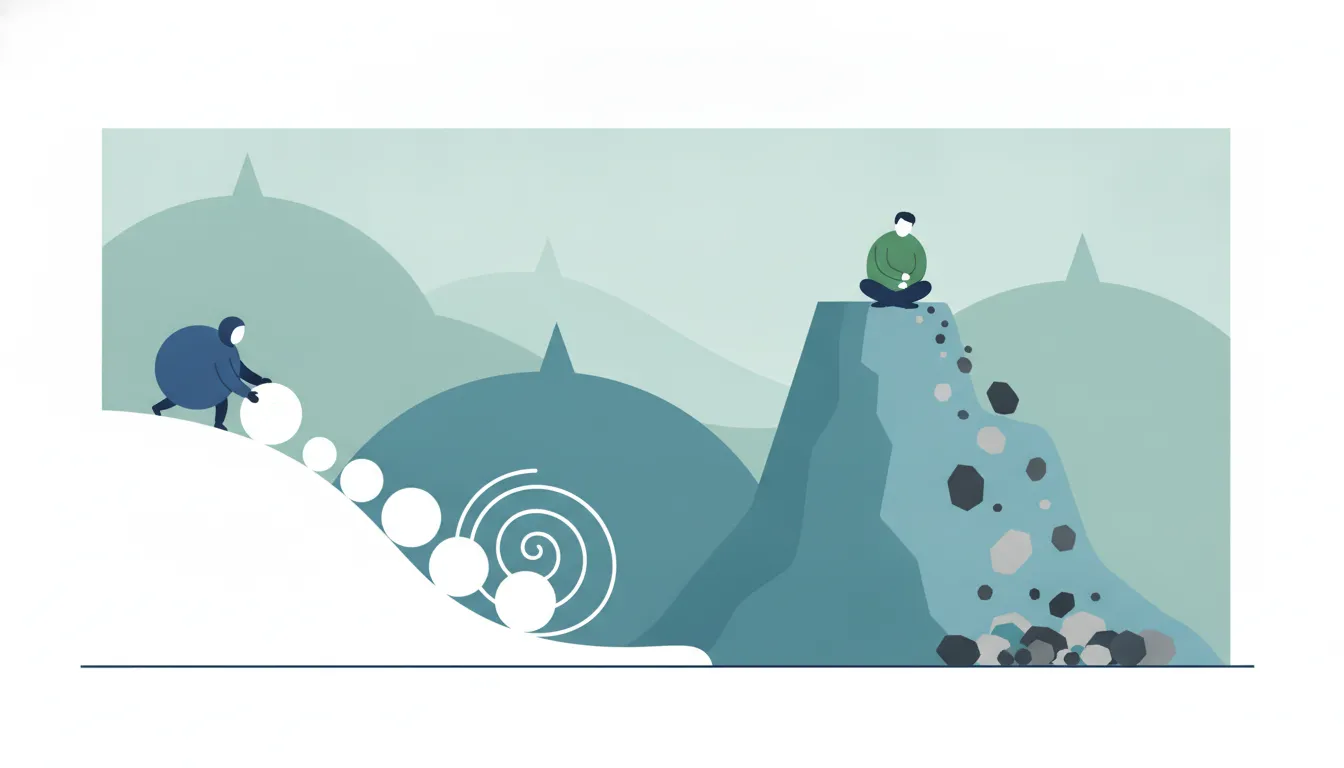
Managing high debt levels requires a clear plan to protect your credit score. Two popular ways offer different paths to help you reach a zero balance. Comparing the debt snowball vs avalanche is the first step.
The debt snowball vs avalanche match shows two main ways to pay down your balances. The snowball way focuses on paying off your smallest debts first to get quick wins and stay on track. In contrast, the avalanche way picks debts with the highest interest rates to save you the most money over time. While the avalanche is best by the numbers, research shows that the mental drive from small wins can make the snowball way more useful for long-term success. Both paths help you reduce debt and can improve your credit score by lowering your credit use. Picking the right one depends on whether you value fast results or total money saved. A clear plan ensures you stay in control of your money life.
Deciding which way fits your life is easier once you see how each one works in practice. Learning about What Is the Debt Snowball Method? is the best way to start your journey toward a zero balance. This simple process begins with.
Debt Snowball Vs Avalanche: What Is the Debt Snowball Method?
The debt snowball method is a way to pay off what you owe by looking at the size of your bills. You list all your debts from the smallest balance to the largest. You do not look at interest rates when you make this list. Each month, you pay the minimum on every debt except for the smallest one. You put as much extra cash as you can toward that tiny balance until it is gone.
How the Snowball Rolls
Once you pay off the smallest debt, take the money you were paying on it. Add that amount to the next debt on your list. This creates a “snowball” effect. As each debt goes away, your monthly payment for the next one gets bigger. This method helps you stay on track because you see results fast. Many people use snowball versus avalanche debt payoff methods to decide how to tackle their bills based on their own habits.
This plan works well for people who want to feel like they are winning right away. While it might not be the cheapest way to pay off debt, it is very common. By clearing small debts first, you free up cash and make your life simple. This gives you the drive to keep going when the larger bills seem too big to handle.
A Real-World Example
To see how this works, look at a case with three debts. Think of a small personal loan, a credit card, and a student loan. You might start by putting $300 toward the small personal loan. Once that is gone, you add that $300 to your current $150 credit card bill. Now you are paying $450 a month on the card. After the card is paid, you roll that $450 into your $225 student loan payment. Now you are paying $675 a month on your final debt.
Using this rolling payment can cut a lot of time off your debt plan. For example, a plan that would usually take 50 months might end much sooner with this method. While you might pay more in interest over time, the speed of your wins keeps you from quitting. You can find more paying down debt using proven methods to help you stay focused on your goals.
Why Your Mindset Matters
The debt snowball works because it focuses on your mind, not just your math. Expert studies show that most ways to pay back loans are often not mathematically optimal for saving the most on interest. But humans are not math tools. We need to see progress to stay with a hard plan. When you cross a debt off your list in just a few months, it gives you a sense of power.
This method builds drive by giving you quick wins early. Each time a bill goes away, you feel less stressed. You also have fewer bills to track each month. Even if you pay a bit more in interest, the fact that you finish the plan is what matters most. For most people, the best plan is the one they can stick with until the end.
What Is the Debt Avalanche Method?
The debt avalanche method is a way to pay off debt that focuses on cost. You make minimum payments on all your loans first. Then, you put any extra cash toward the debt with the highest interest rate. This plan is mathematically best because it cuts the total interest you pay. By targeting high-rate debt, you keep more of your own cash and give less to the bank.
How the math saves you money
Using a smart plan like the avalanche method can lead to big savings. Research shows that people who follow a set path can pay much less in total interest. On average, a person might save about 4% on interest costs. In some cases, total interest savings can reach 40% when compared to other paths. This makes it the best choice for those who want to save the most while getting out of debt.
Fidelity gives a clear case of how much this strategy helps. Without a plan, a person might pay 7,249 in interest over 12 years. But adding just 00 more per month to the highest-rate loan can change that. On just one loan, that extra 00 can save over ,750 in interest and cut two years off the timeline. You can see more about snowball versus avalanche debt payoff methods in our full guide.
The need for long term focus
While the math is strong, this method takes grit. Your biggest debt might also have your highest rate. If that is the case, it could take a long time to see that first balance hit zero. You do not get the quick win of a small debt going away fast. This is why some people find it harder to stay on track. You must keep your eyes on the goal of saving money rather than the joy of a closed account.
Staying the course helps your credit health in the long run. As you lower your balances, you also lower your credit use. This is a key part of how firms rank your credit risk. Using paying down debt using proven methods helps you build a solid base for the future. It ensures that every extra dollar you earn works as hard as it can to clear your debt.
How Each Method Affects Your Credit Score
Choosing between these two paths changes how you pay off debt, but both can help your credit health. These methods focus on paying down what you owe while keeping your accounts in good standing. While these plans are helpful, keep in mind that there is no sure score increase from using them. Your final score depends on many things beyond just how you pay your bills.
Payment history and steady progress
Your payment history is the most vital part of your credit score. It makes up about 35% of your total rating. Both methods work well here because they require you to make at least the minimum payment on every debt each month. This steady work ensures you do not miss a due date or face a late fee.
By staying on top of your bills, you build a record of trust with lenders. Staying current also helps you avoid default penalties that often lead to major score drops. Whether you pick the snowball or the avalanche, the goal is to keep every account active and paid on time.
How credit usage changes
The next big factor is how much debt you carry compared to your limits. This is known as your credit usage or utilization. It accounts for about 30% of your score. When you pay down balances, your usage ratio drops, which can be very good for your credit profile. You can learn more about how credit utilization affects your score to see why this matters.
The two methods show results in their own ways. The debt avalanche targets high-interest debt first. This saves you money. But it might take a bit longer to show a big drop in your total usage ratio if the balance is large. The snowball method hits small debts first. This may help you see a drop in usage on those small accounts much sooner.
Impact on credit factors
Paying off a debt fully is a big win, but it can sometimes cause a small, short dip in your score. This often happens if you close an old account after paying it off. The age of your accounts and the types of debt you have are two of the five factors that affect your credit score.
The snowball method might lead you to pay off and close several small accounts in a short time. This could lower the usual age of your credit history. The avalanche method keeps those small accounts open longer while you fight larger debts. In the long run, both methods lead to a lower total debt load, which is a major win for your financial health.
Snowball vs. Avalanche: Which Debt Payoff Strategy Is Right for You?
Picking a debt payoff plan is a big step for your future. Both the snowball and avalanche methods help you reach your goals, but they work in different ways. One plan focuses on your mood and quick wins to keep you going. The other plan focuses on saving money on interest to lower your total cost. You can even combine them or look into debt consolidation options if you have many high-rate bills and want to simplify your life.
The case for the debt snowball
The debt snowball method is all about the power of momentum. You list your debts from the smallest balance to the largest. You pay as much as you can on the smallest debt while making minimum payments on the others. This builds a sense of hope as you watch debts disappear one by one. Research shows that debt repayment strategies are often driven by how people feel rather than just the math. This method keeps you on track because you see real progress in a short time. It is a good choice for people who feel stuck or have many small debts.
When you finish one debt, you take the money you were paying on it and move it to the next one. This makes your “snowball” grow larger as you go. You get a mental boost each time a bill goes to zero. This helps you keep going during the months when money is tight. Even though you might pay more in interest, the habit of winning keeps you from quitting. For many, staying in the game is more important than saving a few dollars.
The case for the debt avalanche
If you want to pay the least amount of money over time, the debt avalanche is the best path. With this plan, you list your debts from the highest interest rate to the lowest. You focus all your extra cash on the debt that costs you the most each month. This saves you from giving too much money to banks and lenders. It is the smartest choice for those who can wait a bit longer for their first full win. You might not pay off a total debt as fast as the snowball. But your total debt will drop in a way that saves more.
This plan needs more focus because it can take months or even years to kill the first debt. But the reward is worth it for those who focus on the long-term plan. You will save the most money on interest and might finish your debt journey sooner. If you are someone who likes data and math, this method will make sense to you. It helps you keep more of your own money instead of paying for the right to borrow it.
Choosing your strategy
Think about your habits and how you handle stress before you pick a path. If you need to see results right away to keep going, start with the snowball. If you want to save every cent and do not mind a slow start, pick the avalanche. You can also try a hybrid path to get the best of both worlds. Start with one or two small wins to boost your mood and see that you can do it. Then, switch your focus to the debt with the highest interest rate to save money. This helps with building better credit habits while keeping your costs as low as possible.
No matter which way you go, the key is to stay steady. Both plans work if you keep making your payments on time. Look at your bills and decide which style fits your life today. If you have very high interest rates, the avalanche may be a better tool to stop the leak. If your debts are small and spread out, the snowball can clear the clutter fast. The table below shows how the two plans compare across several key factors.
| Factor | Debt Snowball | Debt Avalanche |
|---|---|---|
| Primary Focus | Smallest balance first | Highest interest rate first |
| Best For | Quick wins and motivation | Saving money on interest |
| Interest Cost | Higher total interest paid | Lowest total interest paid |
| Time to First Win | Very short (weeks or months) | Can be long (months or years) |
| Motivation Style | Psychological and emotional | Logical and mathematical |
| Risk | Higher cost over time | Risk of losing steam early |
| Ideal User | Needs to see fast progress | Focused on the bottom line |
How M1 Credit Solutions Helps You Track Your Debt Payoff Progress
Choosing between the debt snowball vs avalanche method is only the first step. To stay on track, you need a way to see how your choices affect your financial health. The M1 Credit Solutions platform gives you the tools to monitor your progress in one place. You can watch your balances drop while you use our AI to manage your credit profile.
Control your credit data
Our platform helps you take charge of your credit reports from all three major bureaus. Tracking your debt payoff is easier when you have a clear view of what you owe. When you see your numbers in real time, you can stay focused on your goals. This kind of transparency is a key part of financial wellness and long-term health.
For just $29.99 a month, you get full access to our credit tools. Our AI-powered system makes the process fast and simple for every user. In fact, 94% of our members generate their first dispute letter within 15 minutes of signing up. This speed helps you fix errors that might be holding your score back while you pay down your debt.
Monitor your payoff journey
Tracking your progress is vital no matter which payoff plan you pick. Whether you want the quick wins of the snowball or the savings of the avalanche, M1 helps you stay the course. You can see how lower balances help your overall standing over time. Using a step-by-step plan to improve your credit keeps you moving toward your target.
We believe in DIY control and giving you the power to manage your own credit. Our platform does not promise specific score increases, as many factors play a role. Instead, we provide the data and tools you need to make smart moves. By keeping a close eye on your credit mix and payment history, you can build a stronger financial future on your own terms.
Frequently Asked Questions
Which debt payoff method, snowball or avalanche, is better?
The best method depends on your goals. The debt avalanche saves you the most money. It targets loans with the high interest rates first. This helps you pay less in total interest over time. The debt snowball focuses on paying off small balances first. This plan gives you quick wins to help you stay on track. Both methods work well if you make all payments on time. Pick the one that works best for your budget.
How does paying down debt affect my credit score?
Paying down debt helps your score by lowering how much credit you use. According to M1 Credit Solutions, your credit use ratio makes up 30% of your total score. When you reduce your balances, your ratio drops and your score often goes up. Both the snowball and avalanche methods are good for this. The key is to avoid new debt while you pay off your current loans to see the best results.
Is the debt snowball or avalanche method better for student loans?
For student loans, the avalanche method is often best. These loans can have high interest rates. By paying off high-interest loans first, you can save a lot of money over many years. If you have many small loans, the snowball method might help you make your bills easier to manage. Reducing the number of open accounts can help you stay on top of your debt. Choose the plan that fits your style and helps you keep making progress.
What happens to my credit score if I close an account after paying it off?
Closing an account can cause a small dip in your credit score. This happens because it might shorten your credit age. It can also lower your total credit limit. A lower limit can make your credit use ratio go up, which might hurt your score. It is often better to keep old accounts open even after the balance is zero. This keeps your credit history long and shows that you can manage credit well over time.
Take the first step to pay off debt and fix your credit score
Staying in debt costs you too much money in interest fees every single month you delay. If you do not pick a plan today, you will keep paying more to banks instead of saving for your own future. Starting your payoff plan now helps you reach a zero balance much faster and builds a better credit score. Our step-by-step plan to improve your credit helps you get lower rates on a car sooner. Do not let another month go by without a path to win back your control and your peace of mind.
Ready to repair your credit? Sign up for M1 Credit Solutions to request your access today.