

Moving to a new country comes with excitement, paperwork, and a long to-do list. One item that might not be on your list yet but should be is building a US credit history. Without a credit score in the United States, simple things like renting an apartment, signing up for a cell phone plan, or financing a car become much harder. The good news is that building credit from scratch as a newcomer is completely doable with the right plan.
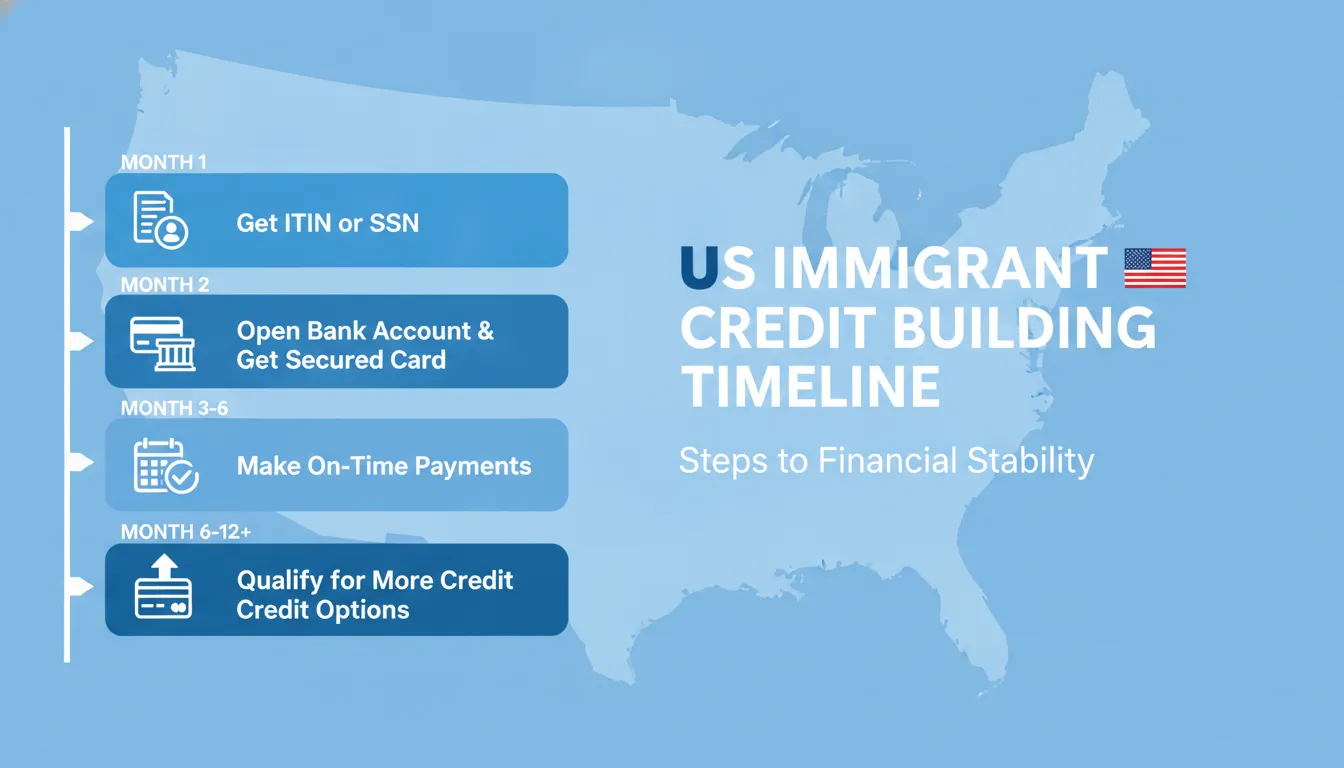
To build credit as a new immigrant, start with a secured credit card or an ITIN-friendly credit card. Use it for small purchases, and pay the balance in full every month. Within three to six months, you will have a US credit score, and within a year, you can qualify for standard credit products.
This guide walks through exactly how the US credit system works, which products are available to newcomers. And the step-by-step strategies that will help you build a strong credit history from the ground up.
Why Does Building Credit Matter as a New Immigrant?
When you arrive in the United States, your credit history from your home country does not follow you. The US credit system starts fresh for every newcomer, regardless of how strong your financial history was back home. This can feel like a setback, but it also means everyone gets an equal start.
Your credit score affects far more than just loan approvals. Landlords check credit scores before approving rental applications. Utility companies may require larger deposits from applicants with no credit history. Some employers even review credit reports during the hiring process, especially for positions that involve financial responsibility. Insurance companies use credit-based scores to set premiums for auto and homeowners policies.
Many immigrants come from countries with no credit scoring system at all, which makes the US approach unfamiliar at first. In the US, your financial reputation is tracked numerically, and that number follows you everywhere. Understanding this system early gives you a major advantage in your new life.
The timeline for building credit is realistic and achievable. You typically need at least three months of US payment history before a credit score can be calculated. Credit scores generally range from 300 to 850, with higher scores showing greater creditworthiness. A score of 700 or above is considered good, and a score of 800 or above is considered excellent.
Bottom line: Your US credit score unlocks housing, jobs, insurance, and loan options. Starting from zero is normal for immigrants, and you can build a solid score within your first year. M1 Credit Solutions offers the tools to guide your journey.
How Does the US Credit System Work?
To build credit as a new immigrant, you must first know how the system is set up. The US credit system may seem strange if you come from a country with no credit tracking. But learning how it works is the first step to success in the US.
The Three Major Credit Bureaus
The US has three major credit bureaus: Equifax, Experian, and TransUnion. These bureaus collect your files from banks, card firms, and other lenders. The details show if you pay on time and how much debt you owe.
These firms collect data about your loans and payments to make a credit report. A credit score is then made from the data in your report. For a deep look at how these two things differ, you can read our helpful guide. This guide makes understanding credit reports and scores easy.
The FICO Score Calculation
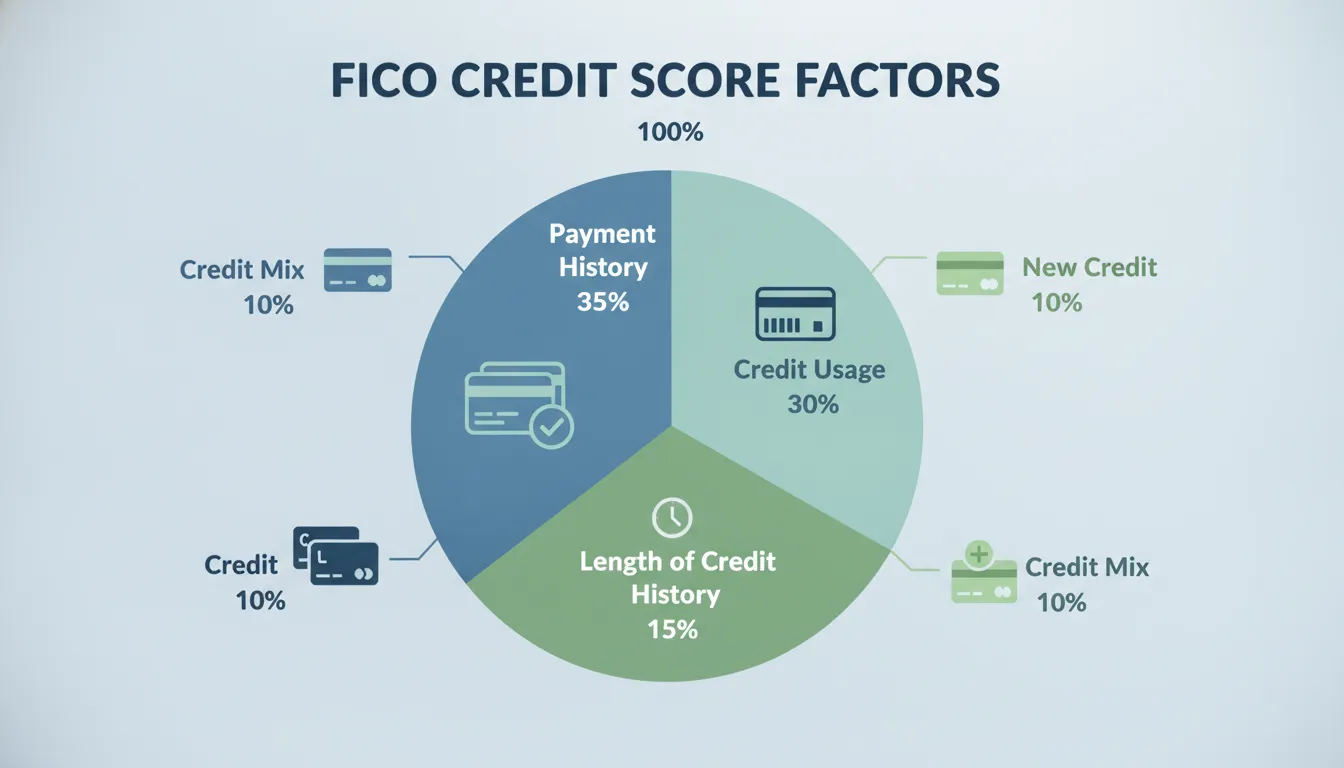
Most banks look at your credit score when you ask for a loan. In fact, the FICO score is used by 90% of top lenders. Your score is made using five key parts. Each part has its own weight in the final score:
- Payment history (35%): This is the biggest factor. It shows if you pay your bills on time.
- Credit usage (30%): This is the amount of credit you use compared to your total limit. Keeping this low is best.
- Length of credit history (15%): This tracks how long your credit accounts have been open.
- Credit mix (10%): This looks at your mix of accounts, like credit cards and loans.
- New credit (10%): This tracks how many new accounts you just opened.
Understanding Score Bands
Credit scores range from 300 to 850. A higher score shows you have strong credit habits. A score of 700 or above is a good score, while a score of 800 or above is excellent. For a full breakdown, check out our guide to what constitutes a good credit score and how the bands affect your financial options.
A high score helps you get low interest rates on loans. When you first move to the US, you will not have a score. You must start from zero and build history over time.
To start, you will need a tax number. Immigrants without an SSN can apply for an ITIN through the IRS to build credit. You can get this tax number from the IRS.gov website to begin your credit journey. With the right tools from M1 Credit Solutions, you can track your progress and build a strong score.
Bottom line: The US credit system tracks your payment habits through three major bureaus. By keeping your payments on time and your credit use low, you can build a good score from scratch. M1 Credit Solutions helps you monitor your progress every step of the way.
What Are Secured Credit Cards and How Can New Immigrants Use Them?
Starting fresh in a new country is a big step. When you arrive in the United States, you may find that you have no credit history. This can make it hard to rent an apartment, buy a car, or get a cell phone plan. But you can build credit as a new immigrant by using a secured credit card. These cards are designed for people who are starting from scratch or need to rebuild their credit scores.
What Is a Secured Card?
A secured card works differently than a standard card. To get one, you must pay a cash deposit. This cash deposit reduces risk for the bank. In most cases, the money you put down becomes your credit limit. If you deposit two hundred dollars, you can spend up to two hundred dollars on the card. This helps banks trust you even if you have no U.S. credit history.
Before you apply, you should know how card companies track your payments. When you use the card, the bank sends your data to the credit bureaus. Learning how this reports to your file is key to understanding credit reports and scores in the U.S. system.
Steps to Use a Secured Card
Getting and using a secured card is a simple process. Follow these steps to start your credit journey on the right foot.
- Apply for an SSN or ITIN. If you cannot get a Social Security Number, you can apply for an Individual Taxpayer Identification Number through the IRS to get a card.
- Open a U.S. bank account. Setting up an account with a bank is a vital first step. It shows banks you have a local home for your money.
- Find an ITIN card. Major issuers like American Express and Citibank let you apply with your tax number. This makes it easy for new arrivals.
- Choose a low-deposit card. The Capital One Platinum Secured card requires a low deposit of forty-nine, ninety-nine, or two hundred dollars and reports to all three bureaus monthly.
- Use the card for small purchases. Do not max out your card. Buy small items like gas or food, and keep your total balance low.
- Pay your balance in full each month. Always pay your bill before the due date. On-time payments are the most important factor in your score.
- Graduate to an unsecured card. After several months of on-time payments, the bank may refund your cash deposit and upgrade you to a regular card.
Monitor and Protect Your Score
Building credit is a marathon, not a sprint. As you start this journey, you must watch your file for errors. Wrong data on your report can hold your score back and slow down your progress. Using a DIY tool can make this easy and help you stay on track.
At M1 Credit Solutions, we help you check your credit file. Our AI tool makes it easy to read your files and track your growth. This gives you the tools you need to build credit as a new immigrant without high fees.
Bottom line: A secured credit card is a great tool to build credit. It uses a cash deposit to reduce risk for banks and reports your payments to major bureaus. M1 Credit Solutions helps you monitor your report as your score grows.
How Do Credit Builder Loans and ITIN Loans Help Build Credit?
Not everyone qualifies for a credit card right away. If you cannot get a secured card or prefer an alternative way to build credit, credit builder loans and ITIN loans offer excellent options. These products are designed specifically for people with no credit history or limited US documentation.
How Credit Builder Loans Work
A credit builder loan works differently than a traditional loan. When you take out a credit builder loan. The bank or credit union places the loan amount in a savings account that you cannot access until the loan is paid off. You make monthly payments toward the loan, and the lender reports those payments to the credit bureaus. Once the loan is fully paid, you receive the money.
Credit builder loans typically range from $300 to $1,000 and have terms of 6 to 24 months. The interest rates are usually low because the bank carries almost no risk since your own money is sitting in an account as collateral. This makes them a safe and effective way to demonstrate on-time payment behavior, which is the most important factor in your credit score.
ITIN Loans for Immigrants Without an SSN
If you do not have a Social Security Number, you are not locked out of the credit system. The IRS issues Individual Taxpayer Identification Numbers (ITINs) to individuals who need to pay US taxes but are not eligible for an SSN. Many financial institutions now accept ITINs for loan applications and credit products.
Some community banks, credit unions, and online lenders offer ITIN loans specifically designed for immigrants. These include personal loans, auto loans, and small installment loans that report to the credit bureaus. Even undocumented immigrants can build credit by using an ITIN to apply for a secured card or an ITIN loan through a participating lender.
If your credit score plateaus or stops climbing after a few months, do not get discouraged. Check out our guide to common reasons why credit scores stall and how to fix them. Also review the full credit score range explained to understand where your score stands at each stage.
Bottom line: Credit builder loans and ITIN loans give immigrants without SSNs or thin credit files a clear path to building a positive payment history. These products report to the credit bureaus just like standard loans, and M1 Credit Solutions can help you track every milestone.
Can You Build Credit Without a Credit Card? Authorized User and Alternative Data
Beyond credit cards and loans, several creative strategies can help you build credit faster. These methods work well alongside your primary credit-building products and can give your score an extra boost.
Becoming an Authorized User
One of the fastest ways to establish a US credit history is to become an authorized user on someone else’s credit card account. As an authorized user, you receive your own card and can make purchases, but the primary account holder is responsible for payments. The key benefit is that the account’s entire payment history appears on your credit report as well.
This strategy works especially well for new immigrants because you gain years of credit history instantly if the account is well-established. The authorized user does not need a credit check or an SSN to be added. However, this approach depends on finding a trusted friend or family member with good credit habits. If the primary account holder misses payments, it also hurts your credit.
M1 Credit Solutions offers guidance on building credit as an authorized user and how to make this strategy work for you.
Rent and Utility Reporting
Your largest monthly expense, rent, does not typically appear on your credit report. But several services now allow you to report rent payments to the credit bureaus. Experian Boost, for example, lets you add utility, telecom, and streaming service payment history to your Experian credit file for free. RentTrack and similar services report rent payments to all three bureaus for a small fee.
Comparison of Alternative Data Strategies
| Strategy | Monthly Cost | Bureaus Reported To | Best For | Key Risk |
|---|---|---|---|---|
| Authorized User | $0 (if no fee charged) | All three (depends on issuer) | Getting years of history fast | Depends on primary holder’s habits |
| Experian Boost | $0 | Experian only | Adding utility and telecom history | Only boosts one bureau |
| Rent Reporting Services | $2-$10/month | 1-3 bureaus (varies) | Getting credit for rent payments | Back-rent reporting may hurt |
Bottom line: Alternative data strategies like authorized user status and rent reporting can accelerate your credit building. Use them alongside a secured card or credit builder loan for the best results. M1 Credit Solutions offers AI tools to help you manage and monitor all your credit-building efforts.
What Spanish-Speaking Resources Are Available for Credit Building?
For Spanish-speaking immigrants, language should never be a barrier to building a strong credit history. Many financial resources and tools are available in Spanish to help you navigate the US credit system.
M1 Credit Solutions serves both English and Spanish-speaking users with full bilingual support. Our platform provides AI-powered credit analysis and dispute letter generation in both languages, making it easier for Spanish-speaking immigrants to take control of their credit journey.
In addition to the platform itself, several credit bureaus offer Spanish-language resources. Equifax and Experian both provide Spanish versions of their credit report request forms and educational materials. The Consumer Financial Protection Bureau (CFPB) offers a comprehensive Spanish-language section on credit rights and dispute processes.
Local community organizations and nonprofit credit counseling agencies in many US cities also offer free Spanish-language credit education workshops. Libraries and community centers frequently host these sessions to help immigrant communities understand the US financial system from the ground up.
Bottom line: Spanish-speaking immigrants have access to bilingual credit tools, Spanish-language education resources from the credit bureaus, and CFPB materials. M1 Credit Solutions supports both English and Spanish users with full platform access.
How Can Immigrant Entrepreneurs Build Business Credit?
If you are an immigrant entrepreneur or small business owner, building business credit separately from your personal credit is a smart long-term strategy. Strong business credit helps you qualify for business loans, secure better terms from vendors, and protect your personal credit from business liabilities.
Building business credit starts with obtaining an Employer Identification Number (EIN) from the IRS. An EIN functions like an SSN for your business and allows you to open business bank accounts and apply for business credit cards. Many immigrant entrepreneurs use their ITIN to apply for an EIN, making this accessible even without an SSN.
Once you have an EIN, you can open a business bank account, apply for a business credit card, and begin establishing trade lines with suppliers and vendors. Business credit scores range differently than personal scores and are tracked by separate bureaus like Dun and Bradstreet, Experian Business, and Equifax Business.
For entrepreneurs who need personal credit repair alongside business credit building, M1 Credit Solutions offers tools for both paths. Check out our guide to building credit for your business to learn more about separating your personal and business credit profiles. You can also explore our comprehensive guide to improving your credit score for strategies that apply to both personal and business credit.
Bottom line: Immigrant entrepreneurs should build business credit separately using an EIN and business credit accounts. This protects personal credit and opens doors for business financing. M1 Credit Solutions offers AI-powered credit tools for both personal and business credit paths.
Ready to Check Your Credit?
Building credit as a new immigrant is a journey that takes time, but every on-time payment and responsible credit decision moves you forward. With the right tools and a clear plan, you can establish a strong credit score that opens doors to housing, loans, and financial freedom in the United States.
Get started with M1 Credit Solutions today and use our AI-powered platform to track your credit progress, dispute errors, and build the score you deserve.
Frequently Asked Questions About Building Credit as a New Immigrant
What credit score do you start with as an immigrant?
You do not start with any credit score at all. When you arrive in the US, you have no credit file with any of the three major bureaus. It typically takes at least three months of payment history before a FICO score can be calculated. Your first score will depend on how responsibly you use your first credit products.
How long does it take to build credit as an immigrant?
You can expect a credit score within three to six months of opening your first US credit account. A fair score (580-669) is achievable within 6-12 months with consistent on-time payments. Reaching a good score (670+) typically takes 12-24 months of responsible credit use.
Can undocumented people build credit?
Yes. Undocumented immigrants can build credit using an Individual Taxpayer Identification Number (ITIN) issued by the IRS. Some lenders accept ITINs for secured credit cards, ITIN loans, and even some unsecured credit cards. The credit bureaus do not check immigration status when recording payment history.
Do I need a credit card to build credit as a new immigrant?
No, a credit card is not the only option. Credit builder loans, ITIN loans, becoming an authorized user, and rent reporting services all help build credit without a credit card. However, a secured credit card is often the fastest and simplest method for most newcomers.
Can I use my home country’s credit history to build credit in the US?
Generally, no. The US credit bureaus do not accept foreign credit history directly. However, some international banks with US branches may consider your global banking relationship when approving credit card applications. Certain credit card issuers also offer global transfer programs for existing customers from select countries.