
A low credit score can make the search for business funding feel like an uphill battle. Traditional banks often set the bar at a 680 or higher FICO score, which leaves a significant number of entrepreneurs on the outside looking in. The reality is that roughly one in three Americans has a personal credit score below 670, and many of them run profitable, growing businesses.
Struggling with bad credit? M1 Credit Solutions uses AI to identify and dispute errors on your credit report, helping you qualify for better loan terms.
Start Repairing Your Credit Now Our DIY credit repair guide walks through the step-by-step process.
The good news is that the lending landscape has evolved. Today, business loans for bad credit are available through alternative lenders, nonprofit organizations, and government-backed programs that look beyond your credit report. This guide walks you through every viable funding option, the credit score thresholds lenders actually use, and a proven strategy for improving your approval odds while building toward better rates over time.
Quick Answer: Yes, you can get a business loan with bad credit. Merchant cash advances, invoice factoring, equipment financing, SBA microloans, short-term loans, and business lines of credit all work with borrowers who have credit scores below 670. Alternative lenders focus more on your monthly revenue and time in business than your credit score alone.
- Lowest credit threshold: MCAs (no minimum or 500+)
- Best rates for bad credit: SBA microloans (up to $50,000)
- Fastest funding: MCAs and short-term loans (same day to 72 hours)
- Smartest long-term move: Repair your credit first to qualify for lower rates
In This Article:
– What counts as bad credit for a business loan
– Nine loan types that work with low credit scores
– Industry-specific loan options by sector
– Bad credit loan comparison: APR, terms, and requirements
– Minimum credit score requirements by lender type
– Step-by-step application preparation checklist
– Real-world lender approval criteria
– How to improve your chances of getting approved
– Why fixing your credit first is the smartest long-term play
– What to watch out for
– Frequently asked questions
What Counts as Bad Credit for a Business Loan?
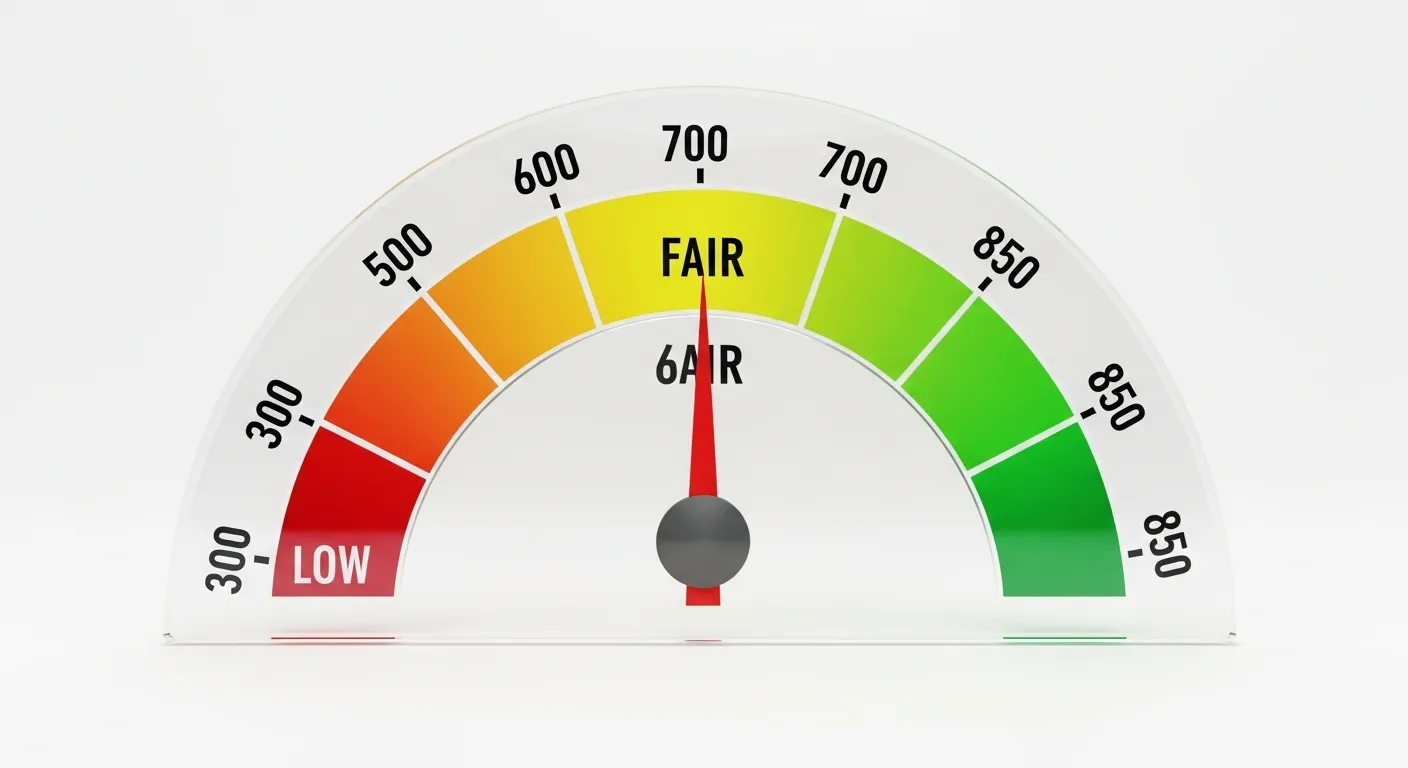
Credit scoring models like FICO range from 300 to 850. Most traditional lenders consider anything below 670 as subprime, and scores below 580 fall into the “poor” category. When you apply for a business loan, lenders typically pull both your personal credit score and, if available, your business credit profile from bureaus like Dun and Bradstreet, Experian, and Equifax. Our guide to building your business credit covers this process in detail.
Here is how lenders generally categorize credit scores:
- Excellent (750-850): Qualifies for the best rates from banks, credit unions, and SBA lenders
- Good (670-749): Approved by most lenders with competitive terms
- Fair (580-669): Limited options at traditional banks, but many alternative lenders will work with you
- Poor (300-579): Traditional banks will decline your application, but alternative and revenue-based lenders remain available
A low personal score does not automatically disqualify your business. Many alternative lenders focus on monthly revenue, time in business, and cash flow history rather than relying solely on a credit number. If your business generates consistent income, you have options.
Six Types of Business Loans for Bad Credit
Not every financing product requires a spotless credit history. These are the six most accessible options for business owners with bad credit business loans needs.
1. Merchant Cash Advances (MCAs)
A merchant cash advance provides a lump sum of capital in exchange for a percentage of your future daily sales. Because repayment is tied to revenue rather than a fixed monthly payment, MCAs are one of the most accessible funding options for owners with poor credit.
- Minimum credit score: Often no minimum, or as low as 500
- Funding speed: Same day to 48 hours
- Typical amounts: $5,000 to $500,000
- Best for: Businesses with steady daily credit card or bank deposit volume
The tradeoff is cost. MCAs use factor rates instead of traditional interest rates, and the effective annual percentage rate can be significantly higher than a conventional loan. Treat an MCA as a short-term bridge, not a long-term financing strategy.
2. Short-Term Business Loans
Online alternative lenders offer short-term loans with repayment periods of three to 18 months. These lenders often approve borrowers with credit scores in the 550 to 600 range, provided the business shows strong and consistent revenue.
- Minimum credit score: 550-600
- Funding speed: 24 to 72 hours
- Typical amounts: $5,000 to $250,000
- Best for: Covering a specific, time-sensitive expense like inventory or equipment
If your business is registered with an EIN, business loans with EIN only may expand your options. Short-term loans come with higher interest rates than traditional bank loans, but the approval process is fast and the documentation requirements are lighter.
3. Invoice Factoring
If your business sends invoices to other companies, invoice factoring lets you sell those unpaid invoices to a factoring company at a discount in exchange for immediate cash. The factoring company collects payment directly from your customers.
- Minimum credit score: Your credit is secondary; the factoring company evaluates your customers’ creditworthiness
- Funding speed: 24 to 48 hours
- Typical amounts: Up to 90% of invoice value
- Best for: B2B businesses with reliable customers who pay on 30, 60, or 90-day terms
Invoice factoring is one of the few financing options where your personal credit score matters very little. The risk assessment is based on your clients’ ability to pay, not yours.
4. Equipment Financing
Equipment loans use the purchased equipment itself as collateral, which reduces the lender’s risk and makes approval easier for borrowers with lower credit scores. Whether you need machinery, vehicles, technology, or specialized tools, equipment financing can work even when other loan types will not.
- Minimum credit score: 550-600
- Funding speed: A few days to two weeks
- Typical amounts: Up to 100% of equipment value
- Best for: Any business that needs to purchase or lease specific equipment
Because the equipment secures the loan, lenders can offer more favorable terms than unsecured options. If you default, the lender repossesses the equipment rather than pursuing other assets.
5. SBA Microloans
The U.S. Small Business Administration partners with nonprofit community lenders to offer microloans of up to $50,000. These loans are specifically designed for startups and small businesses that may not qualify for traditional financing.
- Minimum credit score: Varies by intermediary lender, but often more flexible than banks
- Funding speed: Two to four weeks (longer application process)
- Typical amounts: Up to $50,000 (average around $13,000)
- Best for: Startups, newer businesses, and entrepreneurs who also want mentoring support
SBA microloans come with lower interest rates than most alternative lending products, and many programs include free business mentoring and training. The application process takes longer, but the terms make it worthwhile for borrowers who can plan ahead. If you are launching a new venture, check out our guide to getting a startup business loan with bad credit for additional startup-specific strategies.
6. Business Lines of Credit
A business line of credit gives you access to a revolving pool of funds that you can draw from as needed. Some online lenders offer lines of credit to business owners with credit scores in the low 600s, especially when revenue and time in business are strong.
- Minimum credit score: 600-630
- Funding speed: A few days after approval
- Typical amounts: $1,000 to $250,000
- Best for: Managing cash flow gaps, handling seasonal fluctuations, or covering unexpected expenses
Compare a business line of credit vs business loan to decide which structure fits your needs. You only pay interest on the amount you actually draw, making this a flexible option for ongoing working capital needs rather than a single large purchase.
7. Revenue-Based Financing: A Flexible Alternative to MCAs
Revenue-based financing (RBF) is often lumped together with merchant cash advances, but it is a distinct product worth understanding separately. With RBF, a lender provides upfront capital in exchange for a fixed percentage of your future monthly revenue, typically between 2% and 10%. Unlike an MCA, which deducts payments daily from credit card sales, RBF payments are collected monthly via ACH transfer and are capped at a predetermined total repayment amount.
- Minimum credit score: 550-600 (more flexible than term loans)
- Funding speed: 3 to 10 days
- Typical amounts: $10,000 to $2 million
- Best for: High-growth SaaS companies, subscription businesses, and seasonal enterprises with predictable revenue patterns
The key difference from MCAs is transparency. RBF providers disclose the total repayment cap and the revenue percentage upfront, giving you a clear picture of total cost. Because payments scale with your revenue, months with lower sales mean smaller payments, which makes RBF a safer option than fixed-payment debt for businesses with fluctuating income. If you operate a subscription-based or recurring-revenue model, revenue-based financing may offer terms that are significantly better than a comparable MCA.
For more context on how different financing tiers work, read our guide on business credit tiers to understand where revenue-based financing fits in the broader lending landscape.
Industry-Specific Business Loans for Bad Credit
Many business owners do not realize that certain lenders specialize in specific industries. These niche lenders understand the unique financial patterns of your sector and may offer more flexible credit requirements than general-purpose lenders. If your business operates in one of these fields, industry-specific lenders are worth exploring before applying broadly.
Restaurant and Hospitality Loans
Restaurants, bars, cafes, and food trucks have predictable revenue patterns that some lenders specialize in funding. Equipment financing for commercial kitchens is widely available even with credit scores in the 550-600 range, since the equipment itself serves as collateral. Restaurant-specific lenders like Toast Capital offer advances based on your point-of-sale transaction volume rather than your personal credit score. Many hospitality equipment vendors also offer in-house financing with minimal credit checks.
- Target credit range: 500-650
- Common products: Equipment financing, POS-based advances, vendor credit
- Best approach: Apply with lenders who understand food service cash flow cycles
Healthcare and Medical Practice Loans
Medical and dental practices have steady, insurance-backed revenue streams that make them attractive to healthcare-focused lenders. Companies like CareCredit specialize in patient financing, while medical equipment vendors offer lease-to-own programs that work with credit scores in the 550-600 range. Practices that accept insurance can often use their accounts receivable as collateral for invoice factoring at favorable rates.
- Target credit range: 550-680
- Common products: Equipment leasing, practice acquisition loans, receivable factoring
- Best approach: Highlight your recurring patient volume and insurance reimbursement history
Construction and Trades Loans
Construction businesses benefit from equipment financing and invoice factoring for contractor payments. Heavy equipment dealers often offer financing with credit scores in the 550-600 range because the equipment provides strong collateral value. Material supply vendors may extend net-30 or net-60 terms based on your project pipeline rather than your personal credit score.
- Target credit range: 500-650
- Common products: Heavy equipment loans, contractor invoice factoring, vendor trade credit
- Best approach: Leverage your existing contracts and project backlog as proof of future revenue
Retail and E-Commerce Loans
Online sellers can access inventory financing and merchant cash advances tied to platform sales volumes. Amazon sellers, Shopify store owners, and eBay merchants can qualify for funding based on their sales history rather than personal credit. Companies like Shopify Capital and Amazon Lending provide advances directly through their platforms, often with minimum credit requirements as low as 500.
- Target credit range: 500-630
- Common products: Platform-based advances, inventory financing, short-term working capital
- Best approach: Apply through your e-commerce platform first for the most favorable rates
Trucking and Transportation Loans
The trucking industry has specialized lenders who fund truck purchases, freight factoring, and operating expenses. Owner-operators can often secure equipment financing with credit scores as low as 550 if they have a strong freight contract in place. Freight factoring is one of the most accessible options since the lender advances against invoices from established brokers and shippers.
- Target credit range: 530-640
- Common products: Truck financing, freight bill factoring, fuel cards with credit
- Best approach: Securing a freight contract first significantly improves your funding options
What Credit Score Do You Need for a Business Loan?
Credit score requirements depend heavily on the type of lender and the financing product. Here is a quick reference:
| Lender Type | Minimum Credit Score | Typical Loan Range | Funding Speed |
|---|---|---|---|
| Traditional banks | 680+ | $50,000-$5M+ | 2-8 weeks |
| SBA loans (7a, 504) | 650+ | $50,000-$5M | 3-12 weeks |
| SBA microloans | Flexible (often 575+) | Up to $50,000 | 2-4 weeks |
| Online alternative lenders | 550-625 | $5,000-$500,000 | 24-72 hours |
| Invoice factoring | No minimum (client credit matters) | Varies by invoice volume | 24-48 hours |
| Merchant cash advances | 500 or no minimum | $5,000-$500,000 | Same day-48 hours |
| Equipment financing | 550-600 | Up to equipment value | Days to 2 weeks |
The key takeaway: the lower your credit score, the more you will pay in interest and fees. Getting funded with bad credit is possible, but it comes at a premium.
Bad Credit Loan Comparison: APR, Terms, and Requirements
When comparing financing options for bad credit, you need to look beyond the interest rate alone. Factor rates, origination fees, prepayment penalties, and repayment frequency all affect the true cost of capital. This expanded comparison table breaks down each loan type by the metrics that matter most:
| Loan Type | APR Range | Repayment Term | Funding Amount | Typical Factor Rate (MCA/Advance) | Collateral Required | Personal Guarantee |
|---|---|---|---|---|---|---|
| Merchant Cash Advance | 40-200% (effective) | 3-18 months | $5K-$500K | 1.1-1.5 | No | Yes (personal + business) |
| Short-Term Business Loan | 20-80% | 3-18 months | $5K-$250K | N/A | Sometimes | Usually required |
| Invoice Factoring | 15-60% (effective) | 30-90 days per invoice | Up to 90% of invoice | N/A | No (receivables are the collateral) | Not typically |
| Equipment Financing | 8-30% | 1-7 years | Up to equipment value | N/A | Yes (the equipment) | Often required |
| SBA Microloan | 8-15% | Up to 6 years | Up to $50K | N/A | Sometimes | Usually required |
| Business Line of Credit | 10-80% | 6-24 months (revolving) | $1K-$250K | N/A | Sometimes | Usually required |
| Revenue-Based Financing | 18-50% (effective) | 3-24 months | $10K-$2M | 1.15-1.35 | No | Yes |
As the table shows, equipment financing and SBA microloans offer the lowest effective costs for bad-credit borrowers, while MCAs and short-term loans provide the fastest access at a significantly higher price point. Matching the right product to your specific need is the key to minimizing cost.
If you are comparing specific products, our breakdown of business credit cards vs. business lines of credit can help clarify which revolving option fits your usage pattern.
Bottom line: The APR range difference between an SBA microloan (8-15%) and an MCA (40-200%) is staggering. Taking time to improve your credit before borrowing can save tens of thousands of dollars in financing costs.

How to Improve Your Chances of Getting Approved
Even with a low credit score, you can strengthen your loan application in several concrete ways.
Show Strong and Consistent Revenue
Revenue is the single most important factor for alternative lenders. Most require a minimum of $8,000 to $15,000 in monthly revenue. Learn how to read a business credit report before funding to spot issues before lenders do. Gather three to six months of bank statements that demonstrate consistent deposits and positive cash flow. If your revenue has been trending upward, make sure that story is clear in your statements.
Prepare a Solid Business Plan
A well-written business plan shows lenders you have a clear direction and a realistic plan for growth. Include how you intend to use the loan funds and how that investment will generate additional revenue. Lenders want to see that the money will come back.
Minimize Existing Debt
Your debt-to-income ratio and debt service coverage ratio matter. If you can pay down existing obligations before applying, your application will be stronger. Even small reductions in outstanding debt can shift your ratios in the right direction.
Offer Collateral or a Co-Signer
Putting up collateral, whether it is equipment, inventory, or real estate, reduces the lender’s risk and can offset a weak credit profile. Similarly, bringing in a co-signer with stronger credit can improve your terms and approval odds.
Be Transparent About Your Credit History
Do not try to hide past credit issues. Many lenders are more understanding than you might expect, especially if you can explain the circumstances, such as medical expenses, a divorce, or an economic downturn, and show what you have done since then to stabilize your finances.
Compare Multiple Lenders
Never accept the first offer you receive. Rates, terms, and total repayment costs vary dramatically between lenders. Submit applications to several lenders and compare the full cost of each option, not just the monthly payment.
Step-by-Step Application Preparation Checklist
Walking into a loan application prepared can mean the difference between approval and rejection. Use this checklist to organize your documents and financial information before you apply. Lenders who see a complete, organized application are far more likely to work with you on credit score issues.
Documents You Will Need
Most lenders require the same core set of documents. Having these ready before you start the application process can cut your funding timeline in half:
- Bank statements: 3 to 6 months of business and personal bank statements (look for lenders who accept digitally linked accounts)
- Tax returns: 2 years of business tax returns (Schedule C for sole proprietors, corporate returns for LLCs and corporations)
- Business licenses and registrations: LLC paperwork, EIN confirmation letter, business license, assumed name certificate
- Profit and loss statement: Current year-to-date P&L showing revenue, cost of goods sold, and operating expenses
- Debt schedule: List of all current business debts, including balances, interest rates, and monthly payments
- Business plan: One-page summary of your business, market, growth plan, and how the loan will be used
- Accounts receivable aging: For businesses with outstanding invoices, a report showing what is owed and how long it has been outstanding
- Personal financial statement: Summary of personal assets, liabilities, and monthly income
Financial Thresholds to Meet
Beyond credit scores, lenders evaluate these key financial metrics. Knowing where you stand on each one helps you choose the right lenders and avoid wasted applications:
- Monthly revenue minimum: Most alternative lenders require at least $8,000-$10,000 in monthly revenue. Some work with less, but options narrow significantly below this threshold.
- Time in business: Most online lenders want to see at least 6-12 months of operating history. SBA loans typically require 2 years.
- Debt service coverage ratio (DSCR): A ratio of 1.25 or higher means your business generates enough income to cover the new loan payment plus existing debt obligations.
- Personal credit utilization: Keeping personal credit card balances below 30% of available credit signals responsible credit management and can offset a lower overall score.
Timeline and Process Overview
Understanding what to expect at each stage helps you plan and reduces the stress of the application process:
- Day 1: Gather documents, check your credit reports from all three bureaus, identify any errors to dispute first
- Days 2-3: Research and shortlist 3-5 lenders who work with your credit range and industry
- Days 4-7: Submit applications (most online lenders give a preliminary decision within 24 hours)
- Days 8-14: Compare offers, negotiate terms if possible, review the full contract (watch for hidden fees)
- Days 14-21: Accept the best offer, complete underwriting, receive funds (timeline varies by loan type)
If you are early in the process, our guide on how to build business credit from scratch in 90 days offers a parallel track for strengthening your business credit profile while you shop for funding.
Why Fixing Your Credit First Is the Smartest Long-Term Play
Getting approved for a loan with bad credit solves an immediate problem, but it comes with a real cost: higher interest rates, shorter repayment terms, and potentially daily or weekly payment schedules that strain your cash flow.
Here is the math that makes credit repair worth your time. A business owner with a 550 credit score who takes out a $50,000 short-term loan at an effective 40% APR will pay roughly $20,000 in interest over one year. That same business owner, after raising their score to 680, could qualify for an SBA loan at 10% APR and pay just $5,000 in interest on the same amount. That is $15,000 saved, money that goes directly back into the business.
Repairing your personal credit before you apply, or while you are repaying a current loan, positions you for dramatically better terms on your next round of financing. Start by pulling your credit reports from all three bureaus, identifying inaccurate or outdated negative items, and disputing them. Many business owners are surprised to find errors on their reports that, once removed, provide an immediate score boost.
This is where a tool like M1 Credit Solutions becomes a strategic advantage. M1’s AI-powered platform connects to your credit reports from all three bureaus, automatically identifies negative items dragging down your score, and generates customized dispute letters designed to get those items removed. Instead of paying a credit repair agency thousands of dollars or spending hours figuring out dispute processes on your own, you get a clear, step-by-step system powered by artificial intelligence.
The combination of credit repair and business lending access is what makes M1 different. You can work on improving your credit for better loan terms while simultaneously exploring funding options through M1’s lending services. It is a dual-track approach: fix the root problem and get funded at the same time.
Build Your Business Credit Separately
While you repair your personal credit, take parallel steps to build your business credit profile. Register your business as a legal entity, obtain an EIN, open a dedicated business bank account, and start working with vendors who report to business credit bureaus. A strong business credit profile can eventually allow you to qualify for financing without a personal guarantee, protecting your personal assets entirely. Learn the full business credit building process to get started.
Real-World Lender Approval Criteria: What Top Lenders Actually Require
Knowing a lender’s actual minimum requirements before you apply saves time and protects your credit from unnecessary hard inquiries. Below are the specific criteria that major online lenders use when evaluating bad-credit borrowers. Keep in mind that requirements change periodically and individual approval decisions depend on your full financial profile:
| Lender | Min Credit Score | Min Monthly Revenue | Min Time in Business | Typical APR Range | Best Product For |
|---|---|---|---|---|---|
| OnDeck | 600 | $100K annual revenue | 1 year | 9-99% | Short-term loans, lines of credit |
| Bluevine | 625 | $10,000/month | 6 months | 6-78% | Business lines of credit |
| Fundbox | 600 | $100K annual revenue | 6 months | 10-80% | Lines of credit, invoice factoring |
| Kabbage (American Express) | 560 | $50,000 annual revenue | 1 year | 12-36% | Lines of credit |
| Lendio (marketplace) | 560 | $10,000/month | 6 months | Varies by partner | Connects borrowers to multiple lenders |
| Funding Circle | 620 | $100K annual revenue | 2 years | 7-40% | Term loans up to $500K |
| National Funding | 550 | $12,000/month | 1 year | 10-60% | Equipment financing, working capital |
The key insight from this data: most alternative lenders set their minimum credit score between 560 and 625. If your score is below 560, focus on Kabbage, Lendio, or National Funding, which have lower minimums. If your score is 600 or higher, the full range of options opens up, including OnDeck and Fundbox, which offer larger loan amounts and more favorable terms.
Bottom line: Matching your credit profile to the right lenders before applying is the single most effective strategy for getting approved quickly without unnecessary credit damage from multiple hard inquiries.
What to Watch Out For
When you have bad credit, you are more vulnerable to predatory lending practices. Keep these red flags in mind:
- Extremely high factor rates or APRs that are not clearly disclosed upfront
- Daily repayment schedules that could strain your cash flow beyond what is sustainable
- Prepayment penalties that punish you for paying off the loan early
- Stacking (taking multiple cash advances simultaneously), which can create a debt spiral
- Vague terms or pressure to sign quickly without time to review the agreement
Always calculate the total cost of repayment, not just the periodic payment amount. Ask the lender for the total repayment figure and compare that across your options before committing.
Predatory Lending Red Flags to Never Ignore
Beyond the basic warnings above, there are specific predatory indicators that should stop you from signing immediately:
- Confession of judgment clauses: Some lenders include a provision that waives your right to defend yourself in court if they sue you for non-payment. This is legal in many states but is a hallmark of predatory lending.
- Blanket UCC liens: A Universal Commercial Code lien gives the lender a claim against all of your business assets, not just the specific equipment or collateral tied to the loan. Some lenders file blanket UCC liens that can make it difficult to get future financing from other providers.
- Factoring rates disguised as low percentages: Some lenders quote a low “discount rate” (e.g., 2-3%) without explaining that this rate applies every 30 days, not annually. A 2% monthly factor rate equals an effective APR of approximately 27%, far higher than the quoted number suggests.
- Renewal traps: Some short-term lenders structure loans so that the final payment is large enough that you cannot pay it, forcing you to renew the loan on unfavorable terms.
If you encounter any of these red flags, walk away. There are legitimate, transparent lenders who will work with bad credit without resorting to these tactics.
Get Started with M1 Credit Solutions
Frequently Asked Questions
Can you get a business loan with a 500 credit score?
Yes. Merchant cash advances, some alternative lenders, and equipment financing programs work with credit scores in the 500 range. Your monthly revenue, time in business, and overall cash flow will carry more weight in the approval decision than your credit score alone.
What is the easiest business loan to get with bad credit?
Merchant cash advances are typically the easiest to qualify for because they are based on daily sales volume rather than credit history. If your application was rejected, review what to do if personal credit caused a loan denial before trying again. Invoice factoring is another strong option for B2B businesses because the lender evaluates your customers’ credit, not yours.
How much can I borrow with bad credit?
Funding amounts typically range from $5,000 to $500,000, depending on your monthly revenue, time in business, and the type of financing. MCAs and short-term loans at the lower end of the credit spectrum tend to start with smaller amounts, with the opportunity to access more capital after demonstrating on-time repayment.
Will applying for a business loan hurt my credit score?
Most alternative lenders perform a soft credit pull during the initial application, which does not affect your score. A hard inquiry happens when you formally accept a loan offer. Applying with multiple lenders to compare rates should not significantly impact your score if done within a short window.
How can I improve my credit score quickly before applying?
Start by reviewing your credit reports for errors and disputing any inaccurate negative items. Pay down high credit card balances to reduce your utilization ratio below 30%. Make every payment on time going forward. Using an AI-powered tool like M1 Credit Solutions can automate the dispute process and help you identify which items to target first for the biggest score improvement. M1 Credit Solutions platform makes it easy to check your credit and start improving your score today.
Do I need collateral for a bad credit business loan?
Not always. MCAs, invoice factoring, and many short-term online loans are unsecured. However, offering collateral can improve your approval odds and potentially lower your interest rate, even with a low credit score.